

osteoporosis
Raloxifene is as effective as alendronate at preventing osteoporotic hip fractures in women, shows a new study.
osteoporosis
Raloxifene is as effective as alendronate at preventing osteoporotic hip fractures in women, shows a new study.

An analysis of 25 trials indicates SGLT2s and metformin did not increase fracture risk and did not negatively impact bone mineral density among type 2 diabetics.
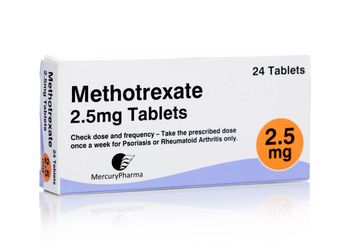
In an interview with Rheumatology Network, Dr. Beate Wieseler compares the effectiveness of biologic drugs used to treat rheumatoid arthritis after methotrexate fails.
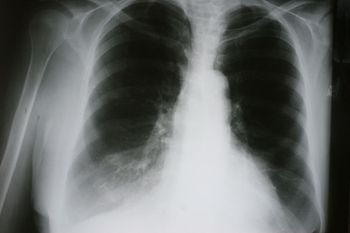
The prior use of methotrexate for rheumatoid arthritis patients doesn't seem to be associated with an increased risk of developing fibrotic interstitial lung disease, a common and potentially deadly complication of RA.

Awkward Conversations
Patients with rheumatic disease tend to be at higher risk for developing a psychiatric disorder. This can complicate the treatment process at the detriment of the patient. In today's column, Dr. Kim Gorgens addresses managing a patient with mental illness.

Rheumatoid arthritis quiz
Patients with rheumatoid arthritis have an increased risk of cardiovascular events and cardiovascular death. How much do you know about cardiovascular risk related to rheumatoid arthritis and its treatment?
Rheumatoid arthritis
Researchers writing in Arthritis Care and Research this week report that rheumatoid arthritis patients actually have a lower rate of type 2 diabetes than people without RA or patients with hypertension, osteoarthritis and psoriatic arthritis.

Wearable activity trackers are designed to monitor an individual's movement to achieve fitness goals, but researchers find they may have use in tracking gout flares.

It is important for clinicians considering prescribing denosumab treatment to counsel patients before its initiation on the importance of not delaying or discontinuing injections.



Policies must change to curb postoperative opioid overprescribing.
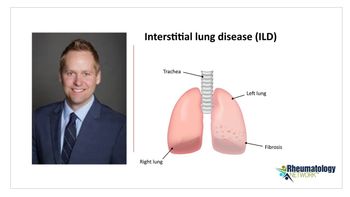
In this week's news roundup from Rheumatology Network, we talk with Dr. Jeffrey Sparks, a rheumatologist with Brigham and Women’s Hospital in Boston who recently addressed the importance of an interdisciplinary and individualized approach in treating rheumatic disease patients who have interstitial lung disease, a condition that can lead to worsen morbidity and mortality. Learn more in this interview.

Patients with axial spondyloarthritis who smoke may be more likely to have sacroiliac joint inflammation if they have a blue‐collar job or low education, according to a study recently published in Arthritis & Rheumatology. In this Q&A with study author Elena Nikiphorou, M.B.B.S./B.Sc., M.D.(Res), Consultant Rheumatologist at King's College Hospital in London, U.K.,we discuss the study and its findings.

Findings of the trial on tocilizumab fall short.

New data suggests bone density measurement follow-ups within 3 years of baseline assessment are unnecessary and a potential misuse of resources.

Patients with axial spondyloarthritis may be more susceptible to higher disease activity if they are overweight or obese, according to a systematic review and meta-analysis published in RMD Open. In this Q&A with study author Jean Liew, M.D., of University of Washington in Seattle, we discuss the study and its significance.

Researchers writing in RMD Open suggest that rheumatoid arthritis patients be assessed for the risk of gastrointestinal perforation before treatment with tocilizumab.

A treat-to-target strategy is recommended over a non-targeted approach for managing rheumatoid arthritis patients, regardless of the level of disease activity. But what should the target be and how should progress be monitored? Test your knowledge in this quiz.
The implementation of teleretinal screening could improve clinic workflow.

New data is debunking the idea use of NSAIDs slow bone fracture healing in children.

Children with COVID-19 can develop pediatric, inflammatory multisystemic syndrome, or PIMS, which can lead to symptoms similar to that of a painful vasculitis condition called Kawasaki disease. Today we talk with Jagadeesh Bayry, Ph.D., and Caroline Galeotti, M.D., of the University of Paris who recently described in Nature Reviews Rheumatology related pediatric cases they saw in their clinic.

Osteoporosis isn't unique to older women, according to a review published in JAMA. At-risk younger women should be screened as well. In this Q&A, Dr. Carolyn J. Crandall of UCLA discusses osteoporosis screening in younger postmenopausal women.

Managing vitamin D levels may not be as straightforward as it would seem. There are factors that should be considered that are not often communicated to patients. In today's edition of Overdrive, the Rheumatology Network podcast, we talk with Dr. Suzanne Jan de Beur of Johns Hopkins University School of Medicine. She serves as director of endocrinology at Johns Hopkins Bayview Medical Center and president-elect of the American Society for Bone and Mineral Research.

A novel polygenic risk score could help identify patients at a low-risk of fracture from osteoporosis or fragility without need for additional screenings.

The results do not support the transtion from usual care to stratified care for the improvement of sciatica symptoms.

High doses of methylprednisoline with tocilizumab (if needed) successfully resolved COVID-19-associated cytokine storm syndrome in treated patients, doctors report.
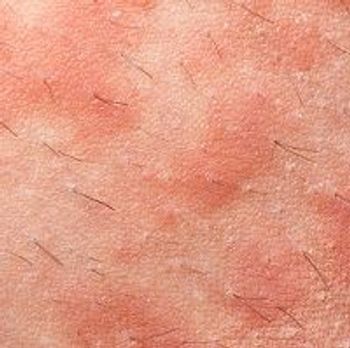
Upadacitinib 15 mg and 30 mg outperformed placebo in Measure Up 2, the second part of a phase 3 study on the monotherapy.

Despite negative trial resutls, the data support the posibility of tapering off NSAIDs and the plausibility of self-management approaches like CBT.

In this week’s news roundup from Rheumatology Network, we talk with Dr. Chrstine Anastasiou, a rheumatologist with the University of California San Francisco who recently published a study in Arthritis Care and Research that finds significant improvements in mortality for hospitalized patients in the U.S. with systemic lupus, but there remains a high mortality rate among blacks and Hispanics with SLE, and, now among Asian/Pacific Islanders with the condition. Learn more in this interview.