

It is feasible to discontinue methotrexate in patients who had received tofacitinib combination therapy.
It is feasible to discontinue methotrexate in patients who had received tofacitinib combination therapy.

DMARDs improve vascular stiffness in patients with early rheumatoid arthritis regardless of impact on rheumatoid arthritis disease, shows new research published in the Annals of the Rheumatic Diseases.

Our annual series is touching on the stories in medicine that occurred during this unforgettable time.

Adjusting lifestyle factors can reduce the risk of gout in men.

Anxiety and depression are not uncommon among lupus patients, show studies recently presented at the annual meeting of the American College of Rheumatology.
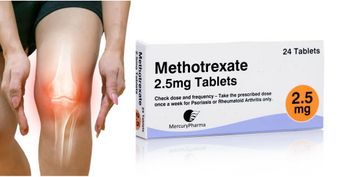
Methotrexate can reduce inflammation and improve function in knees with osteoarthritis (OA), researchers report.

More than half of patients with psoriatic arthritis have to wait two or more years for a diagnosis, researchers report.

Many patients with psoriatic arthritis live with unacceptable levels of disease activity despite treatment, and patient-reported outcomes could provide useful treatment targets, shows a new study.

Patients with the rare skin disorder are at a notably heightened risk for developing arthritis, according to a large-scale cohort study

Many men are breaking bones that might be protected with more routine screening and treatment for osteoporosis, researchers say.

Patients with SLE or RA had comparable mean QTc length, regardless of whether or not they received hydroxychloroquine treatment

The American College of Rheumatology is expected to issue updated treatment guidelines for rheumatoid arthritis no later than spring 2021. The new guidelines will include recommended uses for biologics approved since the last update in 2015―including JAK inhibitors.

In this Q&A, Edgar Wiebe, M.D., of Charité University Medicine Berlin, discusses the findings of a study recently presented at the American College of Rheumatology annual meeting that looked at the impact of a number of factors on bone mineral density.

Romosozumab increases bone mineral density (BMD) most effectively when used prior to antiresorptive drugs, researchers say.

A new ACR study details the effects of romosozumab on bone mineral density gains when followed or preceded with antiresorptive medications such as alendronate or denosumab.

Tuberculosis screening and ongoing clinical care is needed for patients prescribed methotrexate, particularly if co-administered with corticosteroids or other immunosuppressants, who live in areas where tuberculosis is common, according to researchers recently reporting at the annual meeting of the American College of Rheumatology.

Several factors can increase the risk of fractures and osteoporosis in patients with systemic sclerosis, including poor functional status and being underweight, according to researchers reporting at the annual meeting of the American College of Rheumatology on Saturday. However, the impact of proton pump inhibitors was less clear.

The use of the anticoagulating drug warfarin can lead to vitamin K deficiencies in patients with osteoarthritis, making it more likely they will need knee and hip replacement, researchers say.

Black patients with lupus have a threefold higher stroke risk and a 24-fold higher ischemic heart disease risk than other ethnic or racial groups with the condition, researchers say.

A study from ACR details the underdiagnosis and undertreatment of osteoporosis in older men.

In patients with psoriatic arthritis who are DMARD naïve, ixekizumab had similar efficacy at one year whether it was used as a monotherapy or in combination with methotrexate or csDMARD, while adalimumab showed better efficacy as a combination therapy.

Non-corticosteroid immunosuppressant use and long duration of disease increase the likelihood of patients with systemic osteopenia being diagnosed with osteopenia and osteoporosis, according to researchers reporting at the annual meeting of the American College of Rheumatology on Friday.

Favorable phase 2 results with the TYK2 inhibitor for psoriatic arthritis at ACR 2020 coincided with announced positive phase 3 trial results for psoriasis.

In a study that examined the influenza adverse events (AEs) of tofacitinib (Xeljanz, Pfizer) in patients with rheumatoid arthritis, similar AEs were seen with tofacitinib, adalimumab, methotrexate, and placebo, and between different tofacitinib doses and patient age groups, according to researchers reporting at the annual meeting of the American College of Rheumatology on Monday.

A study from ACR Convergence details the underdiagnosis and undertreatment of osteoporosis in older men.

Patients with systemic lupus erythematous (SLE) who take hydroxychloroquine do not have any differences in their corrected QT (QTc) intervals on electrocardiogram (EKG), even if they have chronic kidney disease (CKD), according to researchers reporting at the annual meeting of the American College of Rheumatology on Monday.

Lessons learned from antimalarial drug shortages during the COVID-19 pandemic: rheumatic disease patients in African and South-East Asia had difficulty obtaining antimalarials as compared to counterparts in the Americas and Europe. Shortages led to worse mental and physical health outcomes. Antimalarials did not protect patients from COVID-19.

Doctors increased their use of DEXA screening and initiate osteoporosis therapy more frequently after the implementation of an initiative to raise their awareness of the 2017 American College of Rheumatology (ACR) guidelines for the management of glucocorticoid-induced osteoporosis (GIOP), according to researchers reporting at the annual meeting of the American College of Rheumatology on Friday.

The use of corticosteroid injections may not be associated with the progression of knee osteoarthritis to the point of total knee replacement any more than the use of hyaluronic acid, according to a presentation made today at the American College of Rheumatology annual meeting.

Black and Latinx COVID-19 patients in the United States who suffer from rheumatic conditions are more likely to require hospitalization and invasive ventilation than their White counterparts, a new study suggests.