

Monosodium urate (MSU) deposits detected by dual-energy computed tomography (DECT) are common in patients with gout and are associated with higher coronary calcium scores, researchers recently reported in JAMA Cardiology.
Monosodium urate (MSU) deposits detected by dual-energy computed tomography (DECT) are common in patients with gout and are associated with higher coronary calcium scores, researchers recently reported in JAMA Cardiology.

The suggestion that DECT scans might add to our diagnostic ability to detect cardiac disease may be imprudent because we have tests at our disposal and have little need to increase diagnostic costs. Good clinical judgement, paying attention to traditional risk factors and to red flags, will increase the number of asymptomatic cardiac patients we choose to study with conventional methods.

Biologics, JAK inhibitors, and opioid alternatives all served major payoffs in the field in the 2010s.

Xcenda, an AmerisourceBergen company, has just published a white paper that demonstrates the prevalence of step therapy and its potential negative impact on rheumatology patients. The authors of the report say the practice doesn’t always have the best interest of patents in mind and payers don't entirely disagree. Learn more in this report.

How therapies are advancing treat-to-target strategies, while the field faces a physician shortage issue.
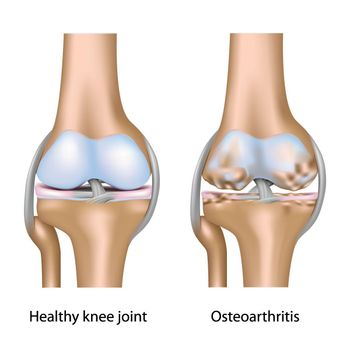
Intra-articular administration of sprifermin statistically increases total femorotibial joint cartilage thickness in individuals with symptomatic radiographic knee osteoarthritis, but the clinical importance and duration of the effect are uncertain, say researchers writing recently in JAMA.

Blood clots can cause critical or lethal problems in patients, and individuals with antiphospholipid syndrome can experience these events at any location in their bodies. However, there’s not a great deal of clarity on which risk factors are most significant for this condition. In this Q&A, we feature a conversation with Eileen J. Lydon, ANP-BC, a rheumatology nurse practitioner at New York University Langone Orthopedic Hospital, who recently spoke on recommendations for treating patients with antiphospholipid syndrome.

Among the most noteworthy in 2019: Treatment of rheumatologic diseases with interleukin inhibitors may raise patients’ risks for serious and opportunistic infections and possibly also cancer, researchers reported in JAMA Network Open in October.

Among the year's most noteworthy findings in rheumatology, includes a systemic review and meta-analysis that provides a better understanding of how common infections and cancer really are in patients treated with interleukin (IL) inhibitors. In this article, Dr. Murray offers his personal perspectives on the findings.

Sociodemographic, physician, and insurance coverage influences who receives biologic DMARD therapy, findings of a cohort study found.

Physiotherapy is beneficial in patients with ankylosing spondylitis and while more research is needed, expanding traditional exercise programs to include aerobic and cardiorespiratory components along with patient education may improve outcomes for patients with non-radiographic axial spondyloarthritis as well.

Swedish researchers writing in Arthritis Research & Therapy earlier this year report that more than half (54%) of patients discontinue their first TNFi treatment within five years and those who remain on a TNF inhibitor treatment receive a lower dose.

Nearly one-quarter of patients with ankylosing spondylitis experienced disease progression over time, with male sex, presence of baseline damage, active disease state, and higher inflammatory markers predictive of spinal progression, while treatment with tumor necrosis factor (TNF) inhibitors slowed the progression rate, say researchers recently writing in Arthritis Care & Research.

A new discontinuation strategy for infliximab in patients with rheumatoid arthritis, in which the biologic dose was determined by the serum level of tumor necrosis factor (TNF)-α, was unsuccessful for sustained biologic-free remission, say researchers recently writing in Annals of the Rheumatic Diseases.

Children with inflammatory bowel disease, juvenile idiopathic arthritis, and chronic noninfectious osteomyelitis who were treated with TNF inhibitors had a higher rate of incident psoriasis than those not exposed to these biologics, say researchers recently writing in Arthritis Care & Research.

While the need for orthopedic surgery and the presence of uveitis have diminished over the past 20 years in children with juvenile idiopathic arthritis (JIA), disease activity is present more than 50 percent of the time, say researchers recently writing in Arthritis Research and Therapy.

Patients with rheumatoid arthritis who are physically active are less likely to report cognitive difficulties, say researchers recently writing in ACR Open Rheumatology.

Ultra-low doses of rituximab (Rituxan, MabThera) used as maintenance treatment for rheumatoid arthritis in patients who responded well to this agent did not show non-inferiority, but could nevertheless be considered in clinical practice, say researchers recently writing in The Lancet Rheumatology.

Postmenopausal women who participate in vigorous physical activity have a lower risk of total and hip fractures, but higher knee fracture risk, say researchers recently writing in JAMA Network Open.
Postmenopausal women who participate in vigorous physical activity have a lower risk of total and hip fractures, but higher knee fracture risk, say researchers recently writing in JAMA Network Open.

More than half of rheumatoid arthritis patients had persistent moderate-to-high disease activity after six months of treatment with a conventional synthetic disease-modifying anti-rheumatic drug (csDMARD), and less than a third had their therapy escalated, indicating that there is considerable need for a treat-to-target approach to care for these patients, say researchers recently writing in Clinical Rheumatology.

This column will feature a series of focused overviews with practical suggestions for managing the manifold tricky needs of your patient population. This series started with a primer for addressing the sexual health questions of patients-paired with a healthy dose of required self-reflection (“Teach them to fish: Addressing the sexual health needs of patients and practice culture”). The series will continue with this dive into problematic substance use and next to coverage of other important but thorny issues including personality disorders, patient safety in the home (exposure to violence, abuse, or self-harm), cognitive impairment vis-à-vis medical decision-making, and the de-escalation of agitated, angry patients. There are other dozens of other difficult conversations, so please get in touch with suggestions.

A new study from the University of Minnesota is shedding light on the potentially adverse impact warfarin use can have on bone health compared to DOAC therapies in patients with atrial fibrillation.

The safety of live virus vaccines in patients receiving biologic therapies was confirmed in a study of 617 patients recently presented at the American College of Rheumatology annual meeting this month.

Even though senior patients with rheumatoid arthritis receive biologic therapies less often than patients who develop the condition early in life, a Japanese study presented this month at the ACR annual meeting, shows that patients 60 years and older can benefit from therapy just as much as younger patients.

Researchers are exploring the possibility of using immune checkpoint inhibitors in rheumatoid arthritis patients. A small study presented at the American College of Rheumatology (ACR) annual meeting earlier this month shows that rheumatoid arthritis (RA) patients who were treated with immunotherapy, responded just as well as a comparable patient population with only 12 of 22 patients experiencing flares.

A large proportion of patients with systemic lupus erythematosus (SLE) have been inappropriately prescribed opioids, researchers reported recently in the Morbidity and Mortality Weekly Report.

A new study shows that the clinical status of patients who have either rheumatoid arthritis or axial spondyloarthritis, can be successfully maintained when switching from the biologic originator etanercept to a biosimilar called SB4.

The first-ever study designed to assess the effectiveness of methotrexate on hand osteoarthritis finds that while the treatment did not demonstrate superior efficacy over placebo on pain or function, it did significantly reduce the progression of joint damage.

Patients who have systemic sclerosis-associated interstitial lung disease and received nintedanib were more likely to have improved lung function than patients who received a placebo, according to a new study. Not only did nintedanib improve forced vital capacity, but patients who received the drug were less likely to experience declining clinical status and more likely to see their conditions stabilize.