
































































Although a seemingly invisible condition, fibromyalgia (FM) may have an important connection with mental health symptoms.
Although a seemingly invisible condition, fibromyalgia (FM) may have an important connection with mental health symptoms.
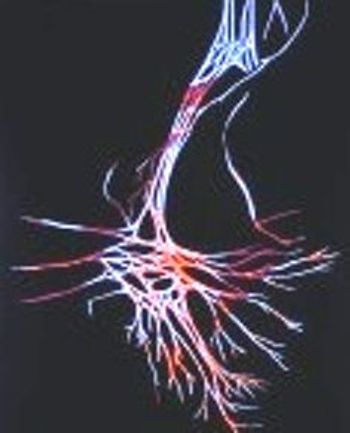
The "Green Berets" of the brain, microglia cells, become hyperactive in fibromyalgia and are key to causing symptoms, said a psychologist and neuroscientist. Finding ways to control them is the key to future treatments, he feels.

Chronic painful conditions can have a significant negative impact on a patient's quality of life, but are some conditions worse than others? A recent study sought to determine which chronic pain condition creates the biggest burden on patient quality of life.

A collaborative team from the Mayo Clinic and Cleveland Clinic recently examined the prevalence of migraines in patients with fibromyalgia. The study, presented at the 34th Annual American Pain Society Scientific Meeting in Palm Springs, CA, used patients from the Mayo Clinic Fibromyalgia Registry database.

While maintaining high levels of physical activity may not appeal to many patients with fibromyalgia (FM), doing so may be the best way to help ease their pain.

Noting that it takes an average of 5 years before a fibromyalgia patient receives a diagnosis, researchers conducted a retrospective data analysis to identify significant variables that may enable earlier detection and diagnosis of fibromyalgia.
Most fibromyalgia patients randomized to continuing milnacipran (Savella) at the end of a clinical trial never noticed an increase in pain. Patients in the placebo group had quite a different experience.
Fibromyalgia patients who don't respond to Lyrica (pregabalin) may see their pain scores significantly improve after adding Savella (milnacipran) to their treatment regimens.
New in the non-rheumatology journals, much about pain: A review based on 2012 fibromyalgia guidelines from Canada, a viewpoint on safe use of opioids, the evidence to back spinal pain interventions. Also: fast-track arthroplasty, and more newfound genes.
A small sham-controlled trial has shown significant differences in pain processing among fibromyalgia patients who used an FDA-approved device for at-home cranial electrical stimulation. It is evidently the first study to use fMRI to test the concept.
The variety of mechanisms that play a part in pathologic pain perception leads to a great deal of complexity and variation in the clinical presentation and severity of fibromyalgia symptoms, as well as a high degree of variability in patient response to treatment.
Myofascial pain syndrome and fibromyalgia are common forms of musculoskeletal pain that are often confused with each other, not only because of similar symptoms, but also because they frequently occur in the same patient, which can lead to difficulties in differential diagnosis and treatment.
Our evolving understanding of the potential causes of fibromyalgia, and its placement along a continuum of related conditions, informs an individualized treatment approach.
Insomnia, disordered sleep, and other sleep disturbances are frequently seen in patients with fibromyalgia, and are often associated with increased daytime fatigue and pain.
Should physicians prescribe opioids to patients suffering from pain associated with fibromyalgia. If they decide to do so, how can they tell which patients will benefit?
Fibromyalgia syndrome has been fraught with ambiguity in diagnosis, uncertainty in understanding of the pathophysiology behind its myriad symptoms, and difficulties that physicians face in managing it competently.
In addition to offering sessions that covered more traditional topics in pain management, including presentations on the evaluation and treatment of back pain, assessing sleep disturbance in fibromyalgia, and identifying changes in the neuromuscular system in osteoarthritis, this year's ACR/ARHP Annual Meeting also offered several additional sessions that addressed more off-the-beaten-path topics.
With more patients and practitioners expressing interest in non-Western modes of healing and other complementary and alternative forms of medicine, researchers are studying whether traditional Chinese methods like tai chi are effective in treating arthritis and other painful conditions.
Fibromyalgia syndrome (FMS) is a complex disorder of chronic, widespread pain and tenderness usually accompanied by numerous other symptoms, including fatigue, cognitive dysfunction, nonrestorative sleep, depression, anxiety, and stiffness.
At least among women in Kentucky (the ones polled in this study), cigarette smoking is strongly associated with chronic pain syndromes.
Fibromyalgia is one of the most common pain syndromes in the United States, affecting an estimated 10 million people.
Multidisciplinary management of fibromyalgia syndrome, including pharmacological and nonpharmacological interventions, is optimal. Exercise may improve patients’ symptoms and quality of life, but an exercise program may be challenging because of pain, stiffness, and fatigue.
John T. Kissel, MD, Discusses how to diagnosis someone with Fibromyalgia
Misdiagnosis of fibromyalgia syndrome (FMS) occurs frequently in the clinic. In our case report, a 27-year-old woman with recurring neck pain and stiffness had received a diagnosis of cervical spondylosis, but later a definitive diagnosis of FMS was made. Misdiagnosis of FMS has occurred with various other diseases.

Cymbalta was approved in August 2010 to treat chronic musculoskeletal pain, but does it work?