

Rheumatologists still lack confidence in prescribing biosimilars, shows study presented at EULAR.
Rheumatologists still lack confidence in prescribing biosimilars, shows study presented at EULAR.

Rheumatoid arthritis patients receive treatment that is on par with that of a physician, shows a study based on patient-reported outcomes and disease activity. The study was recently reported at the EULAR annual meeting.

An expert consensus on the first clinical practice recommendations for platelet-rich plasma (PRP) injections in knee osteoarthritis was presented at the European Congress of Rheumatology annual meeting.

One in a 100 rheumatoid arthritis patients with high disease activity will develop a venous thromboembolism, a more than twofold increase compared to patients in remission, according to results from a Swedish cohort study presented at the European Congress of Rheumatology (EULAR) annual meeting last week.

The increased cardiovascular disease risk in patients with ankylosing spondylitis is explained both by traditional cardiovascular risk factors as well as the underlying chronic inflammatory process. However, this dual etiology is not adequately addressed in clinical practice, according to a presentation on June 3 at the European Congress of Rheumatology (EULAR) annual meeting.

Spondyloarthritis is associated with an increased risk of preterm births, small gestational age infants and elective cesarean section deliveries, according to study data presented on June 4 at the European Congress of Rheumatology (EULAR) annual meeting.

Patients with rheumatic disease should be encouraged to undertake appropriate exercise programs to combat the physical inactivity imposed by self-isolation during the COVID-19 pandemic.

The risk for osteoarthritis has been linked to a number of genes that are susceptible to epigenetic mediators, shows a new review published in Nature Reviews Rheumatology. The influence of epigenetics on osteoarthritis offers new insights on disease risk.
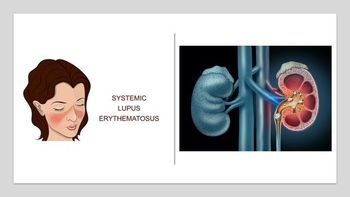
Outcomes for patients with lupus nephritis, which can lead to irreversible renal impairment, can be improved with better measures to evaluate risk and detect early disease, along with new treatments, say researchers writing in Nature Reviews Rheumatology.

In patients with knee osteoarthritis, physical therapy may improve pain and functional disability more so than intraarticular glucocorticoid injections, at one year, according to a head-to-head study published in the New England Journal of Medicine.

The rate of serious infections in people with gout, especially sepsis and pneumonia, is increasing, and certain patient characteristics and external factors are associated with both higher healthcare use and in-hospital mortality in these patients, according to one of the first U.S. studies to describe the epidemiology of hospitalized serious infections in gout.

Writing in Practical Pain Management, Don L. Goldenberg, M.D., addresses clinical approaches for managing medications during the COVID-19 pandemic in patients with chronic rheumatic autoimmune disease.

In this Q&A with rheumatologist Nigil Haroon, M.D., Ph.D., of the University Health Network and Krembil Research Institute at the University of Toronto, we discuss COVID-19 factors specific to patients with spondyloarthritis.

In this Q&A, Randy Q. Cron, M.D., Ph.D., a pediatric rheumatologist at the University of Alabama at Birmingham, discusses the role of rheumatologists in the diagnosis and treatment of patients with COVID-19, particularly those who are critically ill and experiencing a cytokine storm syndrome.

In response to the COVID-19 pandemic, the Global Rheumatology Alliance has been created to collect data on how the virus is affecting patients with rheumatic diseases or those who are taking immunosuppressive therapies. The alliance, which includes 300 rheumatologists, scientists and patients from throughout the world, has created a registry for physicians to report COVID-19 cases.
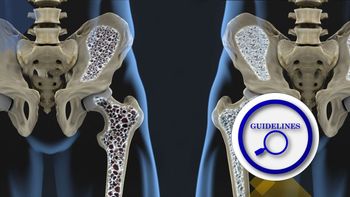
New treatment guidelines for osteoporosis from the Endocrine Society now include romosozumab for postmenopausal women with severe osteoporosis. Learn more in this report.

Colchicine, a first-line treatment option for acute gout, is associated with an increased risk of adverse events, such as diarrhea and other gastrointestinal symptoms, but not serious adverse events, finds a newly published systematic review and meta-analysis.

The use of abatacept did not lead to significant improvements in the disease status of patients with primary Sjögren's syndrome and in fact, it was essentially no better than placebo treatment, shows the first randomized, double-blind trial on abatacept for Sjögren’s.

Despite the publication of previous clinical trials that showed plasma exchange could possibly be a viable treatment for patients with severe ANCA-associated vasculitis, a new study recently published in the New England Journal of Medicine shows the treatment, in combination with standard therapy, didn't improve outcomes for patients or lower fatality rates or slow the progression to end-stage kidney disease.

A new study published in the February 5 issue of Annals of the Rheumatic Diseases finds that allopurinol and febuxostat are associated with about the same risk of hypersensitivity reactions, as compared to gout patients treated with colchicine. The risk is even higher for women and diabetes patients, the authors wrote.

To celebrate Women’s History Month, we’re featuring important female figures in rheumatology. In this Q&A with Silvia Ross, M.D., F.A.C.R., managing partner of Triangle Arthritis & Rheumatology Associates, Raleigh, North Carolina, and co-chair of Global Affairs for the Association of Women in Rheumatology, we focus on her work history, her accomplishments, and her future.

A two-pronged vaccination approach performs better than a single pneumococcal vaccination in patients receiving conventional DMARDs or abatacept-treated patients, but not in patients receiving rituximab, say researchers writing in Arthritis Research & Therapy.

The use of tramadol in older patients is associated with a higher risk of hip fracture compared with the use of codeine or commonly used nonsteroidal anti-inflammatory drugs (NSAIDs), say researchers recently writing in in the Journal of Bone and Mineral Research.
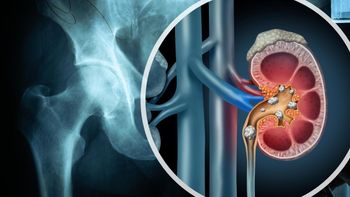
Hip replacements may not be the best choice for acute kidney injury patients, shows a new study that highlights above normal rates of death, longer hospital stays, revisions, transfusions, implant problems, above norm hospital charges; and, discharge to rehab hospitals.

Tocilizumab might be a useful adjunctive therapeutic option for children with juvenile idiopathic arthritis-associated uveitis that doesn't respond to TNFi treatment, say researchers recently writing in The Lancet Rheumatology.

The U.S. Food and Drug Administration has approved a label update for secukinumab (Cosentyx, Novartis) to include the option for up-titration to a 300 mg dose for adults with active ankylosing spondylitis.

Adding methotrexate to adalimumab (Humira, AbbVie) in axial spondyloarthritis was associated with reduced immunogenicity, and prolonged co-medication was associated with long-term maintenance of adalimumab, say researchers recently writing in RMD Open: Rheumatic & Musculoskeletal Diseases.
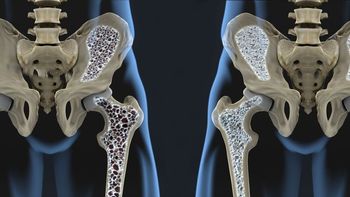
Bone mineral density was preserved over a three-year period in patients with rheumatoid arthritis treated with biological/targeted synthetic disease-modifying antirheumatic drugs (DMARDS) but declined in those who received only conventional-synthetic DMARDs, say researchers recently writing in Rheumatology.

The therapeutic management of rheumatoid arthritis has changed over the past 30 years, yet, comorbidities persist. In this quiz, we focus on findings from a new study that examines trends in clinical and patient-reported outcomes for early RA.

Long-term use of tumor necrosis factor inhibitors (TNFi) may show radiographic progression benefit in axial spondyloarthritis, say researchers recently writing in Arthritis & Rheumatology.