Articles by Katie Robinson

In a study that examined the long-term effectiveness of intravenous and subcutaneous abatacept (Orencia, Bristol-Myers Squibb) in patients with juvenile idiopathic arthritis (JIA), the treatment was safe and well-tolerated with no new safety risks identified, according to researchers reporting at the annual meeting of the American College of Rheumatology on Saturday.

In a study that examined the effects of guselkumab (Tremfya, Janssen) on fatigue in patients with psoriatic arthritis, the treatment reduced fatigue through one year, according to researchers reporting at the annual meeting of the American College of Rheumatology on Friday.
An analysis of patients with active non-radiographic axial spondyloarthritis (nr-axSpA) with an elevated C-reactive protein (CRP) and/or evidence of sacroiliitis on magnetic resonance imaging (MRI) found that secukinumab (Cosentyx, Novartis) use resulted in numerically higher treatment response rates than placebo.

In a study that explored the longitudinal racial disparities in rheumatoid arthritis treatment and emergency department use, black rheumatoid arthritis patients were found to be less likely to receive biologics and instead, be given a prescription for glucocorticoids, say researchers reporting at the annual meeting of the American College of Rheumatology on Friday.
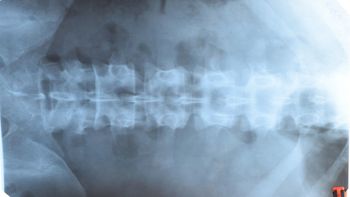
Back pain is the second leading symptom prompting a visit to a primary care physician. Here, we highlight a review of axial spondyloarthritis from Mayo Clinic Proceedings. The review aims to help primary care physicians detect this condition and know when to refer to a rheumatologist.

In women 50 years of age or older, the risk of atypical femur fracture increased with longer bisphosphonate use, Asian ancestry, shorter height, higher weight and glucocorticoid use for one year or more, but this risk rapidly decreased after bisphosphonate discontinuation, according to a study recently published in New England Journal of Medicine.
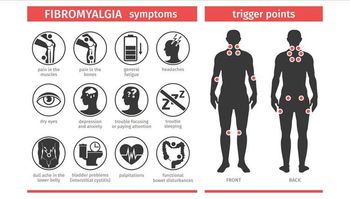
Patients with fibromyalgia syndrome may present with elevated intramuscular pressure, which might represent a diagnostic aid in fibromyalgia syndrome and a target for treatment to reduce muscle pressure, according to a study recently published in The Journal of Rheumatology.
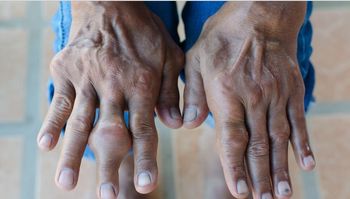
In patients with acute gout, cyclo-oxygenase-2 (COX-2) inhibitors, especially etoricoxib (Arcoxia, Merck & Co.), may result in a greater clinical response than traditional non-steroidal anti-inflammatory drugs (NSAIDs), according to a study published in BMJ Open.

In juvenile idiopathic arthritis, predictive genomic risk scores may enhance current diagnosis protocols, prioritizing higher-risk patients for follow-up and reducing treatment delays, according to a study published this month in Annals of Rheumatic Diseases.

Preoperative knee extensor muscle strength training in patients with knee osteoarthritis may have no clinical effect on total knee arthroplasty (TKA), according to a systematic review published online this month in Osteoarthritis and Cartilage.

Adherence to a Mediterranean diet is associated with improved musculoskeletal health and fewer falls, according to study data presented at the American Society for Bone and Mineral Research (ASBMR) annual meeting held earlier this month.
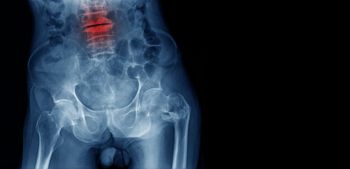
Low-dose oral glucocorticoid therapy increases only vertebral fracture risk in rheumatoid arthritis patients, a study shows.
Low levels of osteocalcin are associated with an increased risk of diabetes in patients treated with glucocorticoids, according to a study presented on Sept. 11 at the American Society for Bone and Mineral Research (ASBMR) annual meeting which wrapped this week as a virtual meeting.

Improving vitamin D status might decrease the risk of developing severe respiratory distress and death in COVID-19 cases, shows an observational study presented September 11 at the American Society for Bone and Mineral Research (ASBMR) which was held virtually this week.

Bisphosphonate use, especially for more than five years, is associated with an increased risk of atypical femoral fractures, but this risk falls considerably after discontinuation, according to a Nationwide Danish an analysis and review presented on September 13 at the American Society for Bone and Mineral Research (ASBMR) annual meeting which was held virtually.

Teriparatide, a recombinant human parathyroid hormone analog [rhPTH(1-34)] approved for women and men with osteoporosis, has been shown to renew bone tissue in patients with femoral neck fractures of the hip, according to research presented at the American Society for Bone and Mineral Research (ASBMR) annual meeting which was held this week.

Some evidence shows the combination of teriparatide and denosumab, followed by a single dose of zoledronate, may be an effective strategy in the long-term management of high-risk fragility fractures.

Spending more time in high-intensity physical activity in early life may protect against osteoporosis in later life, and men are more successful at this than women, according to a study recently published in JAMA Network Open.

Drug therapy appears to be the first-line option for reducing fracture risk in osteoporosis, but it is not always feasible, and increasing calcium, vitamin D and protein intake may be a more practical option.

High-dose vitamin D supplementation compared with standard-dose vitamin D supplementation resulted in a greater loss of volumetric bone mineral density in women but not men, according to study data presented at the American Society for Bone and Mineral Research (ASBMR) annual meeting which is being held virtually.

Three months of treatment with the osteoporosis drug abaloparatide (Tymlos, Radius) has a robust effect on bone formation in postmenopausal women with osteoporosis, according to a study presented on Sept. 12 at the American Society for Bone and Mineral Research (ASBMR) annual meeting which is being held virtually.
The osteoporosis treatment abaloparatide has been shown to increase bone mineral density of the lumbar spine, total hip and femoral neck bone in patients with osteoporosis who are at high risk for fracture, according to a study presented today at the American Society for Bone and Mineral Research annual meeting which is being held virtually through Tuesday.
The list of drugs suspected to cause drug-induced lupus erythematosus now includes metoclopramide hydrochloride, levothyroxine sodium, metronidazole hydrochloride and fexofenadine hydrochloride, according to a study published online this month in JAMA Dermatology.
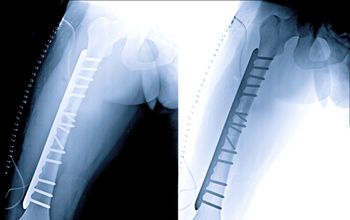
Atypical femur fracture risks are very low, but the risk rises with long-term use of bisphosphonate, study says.
Mortality rates after a bone fracture can be as high as 45% in the first year of a break, and while bisphosphonates can lower the risk of recurring fractures, it doesn't appear to lower the risk of death.

Patients with axial spondyloarthritis who smoke may be more likely to have sacroiliac joint inflammation if they have a blue‐collar job or low education, according to a study recently published in Arthritis & Rheumatology. In this Q&A with study author Elena Nikiphorou, M.B.B.S./B.Sc., M.D.(Res), Consultant Rheumatologist at King's College Hospital in London, U.K.,we discuss the study and its findings.

Patients with axial spondyloarthritis may be more susceptible to higher disease activity if they are overweight or obese, according to a systematic review and meta-analysis published in RMD Open. In this Q&A with study author Jean Liew, M.D., of University of Washington in Seattle, we discuss the study and its significance.

Osteoporosis isn't unique to older women, according to a review published in JAMA. At-risk younger women should be screened as well. In this Q&A, Dr. Carolyn J. Crandall of UCLA discusses osteoporosis screening in younger postmenopausal women.

Rheumatoid arthritis patients have nearly a double risk of atherosclerotic CVD, stroke, heart failure and atrial fibrillation, but they receive poorer primary and secondary preventive care than other high-risk patients. Learn more in this summary of a review published in Nature Reviews Rheumatology.

The mosquito-borne chikungunya virus can lead to symptoms of arthritis that are similar to rheumatoid arthritis. In this Q&A, we speak with the an expert who recently published a review article focusing on the commonalities between the two conditions.
