
Commentary|Videos|June 10, 2026
Autoantibody and IFN Burden Correlate With Nipocalimab Response in Sjögren's Disease
Author(s)R. Hal Scofield, MD
Fact checked by: Victoria Johnson
R. Hal Scofield, MD, discusses exploratory biomarker analyses from DAHLIAS investigating serotype, IFN, and IgG subgroups.
Advertisement
Patients with
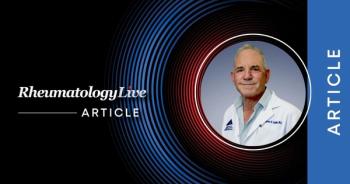
RheumatologyLive spoke with R. Hal Scofield, MD, physician-scientist at the Oklahoma Medical Research Foundation, Associate Chief of Staff for Research at the Oklahoma City VA Medical Center, and Professor of Medicine at the University of Oklahoma Health Sciences Center, Oklahoma City, who served as a study investigator and presented the data at the congress, to learn more about the anlayses.
DAHLIAS was a phase 2, double-blind, placebo-controlled multicenter trial enrolling adults with moderately-to-severely active SjD who were all positive for anti-Ro autoantibody (AAb); the primary trial showed nipocalimab 15 mg/kg was well tolerated and produced significant improvement in clinESSDAI change from baseline and multiple secondary efficacy endpoints.2 The current analysis (n = 54 nipocalimab; n = 56 placebo) applied prespecified biomarker stratification approaches rooted in the FcRn-blocking mechanism of nipocalimab, classifying participants as Sero-high (top tertile for all 3 AAbs: anti-Ro60, anti-Ro52, and anti-La), IFN-high (above the upper fence threshold of healthy controls based on whole blood RNA sequencing), and IgG-high (total serum IgG above the first quartile at baseline). Authors emphasize that findings are exploratory, particularly given the small Sero-high subgroup (nipocalimab, n = 8; placebo, n = 9).1
Baseline IgG levels were correlated with baseline AAb levels and IFN score, indicating substantial overlap between these biomarker-defined subgroups. In the overall treatment population, the ClinESSDAI-4 response rate (defined as ≥4-point improvement in clinESSDAI) was 51.9% with nipocalimab versus 33.9% with placebo, a placebo-adjusted delta of 18.0% (90% CI, 2.6%–33.2%).1
In the Sero-high subgroup, the ClinESSDAI-4 response rate with nipocalimab was 62.5%, with a placebo-adjusted delta of 40.3% (90% CI, 4.1%–76.5%). In the IFN-high subgroup (nipocalimab, n = 40; placebo, n = 40), the response rate was 65.0% and the delta was 32.5% (90% CI, 15.1%–50.0%). In the IgG-high subgroup (nipocalimab, n = 44; placebo, n = 40), the response rate was 56.8% and the delta was 29.3% (90% CI, 12.4%–46.2%). All three enriched subgroups had larger placebo-adjusted deltas than the unstratified population.1
Nipocalimab-treated participants also showed improvement in mean clinESSDAI change from baseline regardless of biomarker subgroup. In the "low" biomarker categories, mean change from baseline was −6.2 (Sero-low), −4.6 (IFN-low), and −5.7 (IgG-low) for nipocalimab versus −3.1, −2.9, and −3.4 for the corresponding placebo groups. Larger improvements were observed in the respective "high" subgroups, with mean changes of −7.0, −7.1, and −6.9 for nipocalimab versus −2.3, −3.7, and −3.3 for placebo.1
"I don't think the data means you want to limit the drug to those people, but it means the people identified in this study are going to have a better response," Scofield said. "If you're seeing someone with high-titer antibody and elevated immunoglobulin, maybe you want to go with a drug like nipocalimab."
Scofield noted that the 3 enriched biomarker subgroups — Sero-high, IFN-high, and IgG-high — largely identify the same patient population, with an estimated 80% overlap. He emphasized that while IFN signature testing is not currently feasible in routine clinical practice, AAb titers and total IgG are readily available to clinicians and can identify this higher-response group. He also raised the possibility that reductions in circulating immune complexes may explain clinical improvement even in patients without elevated biomarkers, given that circulating immune complex levels fell with nipocalimab across all participants regardless of biomarker status.1
Scofield noted the broader landscape context: there are currently no approved disease-modifying treatments for SjD, and he anticipates multiple biologics may reach approval in the near future, requiring clinicians to develop stratification strategies. He also highlighted the potential of FcRn blockade to address symptoms — including dryness, fatigue, and pain — that have remained inadequately treated in SjD, including in patients without high systemic disease activity.
Scofield reported no relevant disclosures.
References
Scofield RH, Li H, Gottenberg J-E, et al. Biomarker-driven insights to clinical response in DAHLIAS: a nipocalimab trial for Sjögren's disease [abstract OP0131]. Ann Rheum Dis. 2026;85(suppl 1). doi:10.1136/annrheumdis-2026-eular.B.3899
Noaiseh G, et al. Efficacy and safety of nipocalimab in patients with moderate-to-severe Sjögren's disease (DAHLIAS): a randomised, phase 2, placebo-controlled, double-blind trial. Lancet. 2025;406(10518):2435–2448.
Advertisement
Related Content
Advertisement


Latest CME




































































Advertisement
Advertisement