
A study presented at CCR West found that tocilizumab displayed better biologic persistence compared with other biologics in patients with rheumatoid arthritis who previously received 1 or more other biologics.

A study presented at CCR West found that tocilizumab displayed better biologic persistence compared with other biologics in patients with rheumatoid arthritis who previously received 1 or more other biologics.

Novartis announced the ongoing Phase 3 PREVENT trial examining use of secukinumab in patients with non-radiographic axial spondyloarthritis has met its primary endpoint of ASAS40.

An international physician group writing in the British journal Annals of the Rheumatic Diseases, has updated recommended parameters that constitute lesions in the sacroiliac joints of patients with spondyloarthritis. The definitions of capsulitis, enthesitis, fat lesion and erosion were revised and new definitions were developed for joint space enhancement, joint space fluid, fat metaplasia in an erosion cavity, ankylosis and bone bud.

Previously, smoking was the sole known modifiable predictor of spinal structural damage, but now alcohol consumption has been shown to be associated with the progression of spinal structural damage in axial spondyloarthritis―specifically by increasing the odds of syndesmophyte progression over two years.

Sheetal Desai, MD, AWARE investigator and assistant clinical professor of medicine at UC Irvine, discusses full 52-week results of study comparing 2 popular rheumatoid arthritis patients and what the observed safety profile means from a patient-centered perspective.

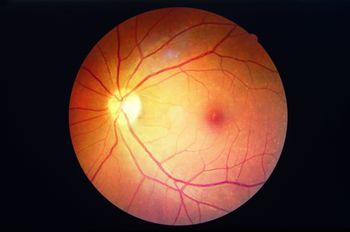
The incidence of retinopathy among systemic lupus erythematosus (SLE) patents treated with hydroxychloroquine increased with longer treatment duration, but could be predicted by monitoring blood levels of the drug, say researchers writing in Arthritis & Rheumatology this month.

The U.S. Food and Drug Administration has approved rituximab (Rituxan, Genentech) for the treatment of granulomatosis with polyangiitis (GPA) and microscopic polyangiitis (MPA) in children 2 years of age and older in combination with glucocorticoids.

Aaron Broadwell, MD, rheumatologist and AWARE investigator, discusses his interpretation of the full 52-week results of the trial, which examined golimumab and infliximab in patients with rheumatoid arthritis in a real-world setting.

A post hoc analysis of the OPAL Beyond and OPAL Broaden studies found tofacitinib improved skin-related symptoms and health-related quality of life in psoriatic arthritis patients with an inadequate response to csDMARDs or TNFi treatment.

Only 60 percent of patients with rheumatic disease are treated by a rheumatologist, 90 percent have health insurance, but 60 percent struggle to pay for healthcare expenses, survey shows.

A post hoc analysis presented at CCR West found sarilumab outperformed adalimumab and placebo in HbA1c improvement in rheumatoid arthritis patients with diabetes.

A study examining a gene expression classifier from Scipher Medicine called PrismRA found the system could be used to identify at least half of the non-responders with at least 90% accuracy.

A 12-week phase 2 study comparing filgotinib to placebo found the oral, selective JAK1-inhibitor could be an effective treatment for ankylosing spondylitis.

Theresa Lawrence Ford, MD, CEO and medical director of North Georgia Rheumatology Group and board member of the Association of Women in Rheumatology, gives her opinion on the current state of burnout among rheumatologists.

Sheetal Desai, MD, a rheumatologist and investigator of the ongoing AWARE trial, discusses her clinical takeaways from the 52-week results and the importance of real-world evidence.

AWARE Trial investigator Aaron Broadwell, MD, discusses what new data was presented during CCR West and how it differed from a previously presented interim analysis.

A new study from CCR West compared the JAK inhibitor therapy to competitors across a clinical trial program involving 5 pivotal phase 3 studies.

Maria Greenwald, MD, rheumatologist, discusses what she sees as a glaring issue in medicine—the lack of knowledge among many physicians as to how much treatments will cost and how to mitigate the impact of those costs.

A study from CCR West 2019 has found that tofacitinib can cut the time to clinically significant pain improvement in psoriatic arthritis patients by nearly half the time when compared to placebo therapy.

The indication for the add-on monoclonal antibody makes it the first approved therapy for children with the rare vasculitis conditions.

Maria Greenwald, MD, rheumatologist with Desert Medical Advances, discusses the results of a study she conducted that sought to identify the most effective ways a physician can advise a patient on how to save money on treatments.

Investigators at CCR West find that kidney transplant patients commonly suffer from gout, even before the transplant.

While conferences and annual meetings are often the place clinicians are exposed to new data, there are often niche areas where they seek further guidance or information. Janet Pope, MD, discusses where she would like to see more research dedicated.

Discussing the importance of implementing a multidisciplinary team when treating conditions that put patients at a predisposition for comorbidities with Rania Al Asmar, MBBS, of Marshall University.

Janet Pope, MD, professor of medicine at the University of Toronto, discusses whether she believes clinicians will ever transition away from DMARDs and biologics due to the high cost and what the alternatives are for those patients.

Elena Myasoedova, MD, of the Mayo Clinic, discusses the results of a study examining the incidence rates of cardiovascular disease in patients with rheumatoid arthritis across 3 decades.

Rania Al Asmar, MBBS, discusses a study she led and authored that examined prevalence and characteristics of patients with rheumatoid arthritis who later developed coronary artery disease.

Jack Stacy, MSIV, of University of North Dakota, discusses a study he co-authored and presented at CCR West examining the use of low-dose prednisone to induce remission in patients with rheumatoid arthritis.

Janet Pope, MD, a professor at the University of Toronto and CCR Faculty member, discusses what her biggest takeaways and highlights from the first day of CCR West in San Diego.

A cohort assessment of patients treated in a rural academic-based clinic finds just 10% of patients were vaccinated for the disease their RA therapies put them at more risk for.