

Early treatment with DMARDs for juvenile idiopathic arthritis polyarthritis is now preferred over beginning patients on NSAID monotherapy, per updated treatment guidelines.
Early treatment with DMARDs for juvenile idiopathic arthritis polyarthritis is now preferred over beginning patients on NSAID monotherapy, per updated treatment guidelines.

Psoriasis patients have a lower risk of serious infection with specific biologic and non-biologic medications than with methotrexate, based on new research results.

The rare disease patient population is smaller and in need of immediate treatment. What's next after the SENSCIS trial results?

Getting more exercise can reduce a woman’s risk of developing rheumatoid arthritis, according to new research.

Welcome to Rheumatology Network, an online publication of the ModernMedicine Network for healthcare professionals. What's inside? Research news summaries, conference coverage, case studies, photo clinics and more. We welcome contributing articles from physicians, nurses and other healthcare professionals.
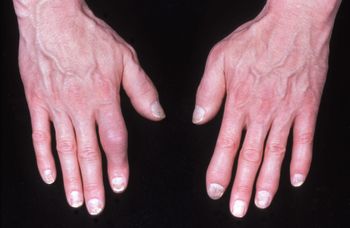
In round two of our ongoing psoriatic arthritis quiz series, we focus on treatment recommendations made in the 2018 ACR/NPF psoriatic arthritis treatment guidelines. We also include a puzzler based on findings from a newly published study.

Active psoriatic arthritis and ankylosing spondylitis can lead to adverse pregnancy outcomes, which grows with corticosteroid use, a study shows.

Real-world applications of non-biologic treatments in children with juvenile idiopathic arthritis may be effective in controlling or maintaining the condition in some patients, new research shows.

Remission is unlikely in non-radiographic axial spondyloarthritis without biologic therapy. Adding certolizumab to background therapy can lead to significant improvements in disease activity compared to placebo, researchers find.

In a recent edition of Frontiers in Immunology, Dr. Walter Maksymowych, University of Alberta, reviews the use of biomarkers for diagnosis and prognosis in axial spondyloarthritis. Learn more in this summary.

A review article confirms low adherence and persistence rates for medication compliance in rheumatoid arthritis, psoriasis and psoriatic arthritis. Patients with higher adherence rates had better outcomes.

Serious infections are low, but herpes zoster surpasses expectations, review article shows.

Investigators found that habitual glucosamine use was linked to lower risk of cardiovascular disease, coronary heart disease, and stroke.

Previous trials have sought out fracture risk between the therapies over 1 year, and have also found few differences.

Investigators found that patients with undiagnosed severe obstructive sleep apnea were at an increased risk of suffering a postoperative cardiovascular event.
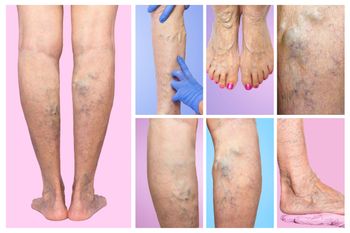
The JAK inhibitor tofacitinib presents a comparably low risk of venous thromboembolism to rheumatoid arthritis patients as do TNFi inhibitors, according to a new study.

Tofacitinib 5 mg or 10 mg twice daily with methotrexate can sustain improvements for 24 months, one study shows.

African American women are disproportionately likely to develop systemic lupus erythematosus, and their disease course is more severe than other demographic groups, says Dr. Edith Williams. In this Q&A, she introduces us to a peer-mentoring program designed to foster self-management.

Patient-doctor narrative matters, says Lisa Rosenbaum, M.D., a cardiologist with Brigham and Women's Hospital in Boston. She shared her insights on patient narratives last month at LUPUS 2019 in San Francisco where she gave the keynote address. Learn more in this Q&A.

Baricitinib treatment does not increase the risk for cardiovascular problems in patients with rheumatoid arthritis, according to new research.

Rheumatoid arthritis patients taking tofacitinib could face some increased risks for significant cardiovascular events, depending upon their underlying characteristics, according to the results of a new study.

Patients with plaque psoriasis taking apremilast, etanercept, and ustekinumab had a lower rate of serious infections than those who took methotrexate.

Investigators found that female sex, older age, and certain comorbidities were associated with an increased risk of uveitis.

Children affected by juvenile idiopathic arthritis, manifesting as non-systemic polyarthritis, sacroilitis or enthesitis, have a number of therapeutic options available. In this article, we outline the options.

Identifying the type of depression present in an individual with or at-risk for symptomatic knee osteoarthritis can help clinicians best target therapies to reduce pain and disability over time, according to a new study.
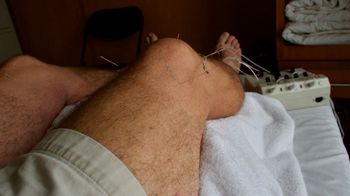
Adding acupuncture to topical ibuprofen can provide greater pain relief for patients with osteoarthritis who have chronic knee pain than treating them with only topical ibuprofen, according to recent research.

OARSI 2019: Today―in the era of shared decision making and patient-centered care―patient preferences should be incorporated into clinical practice.

OARSI 2019: Readmission rates for joint surgery patients are down in Ontario where post-surgery in hospital stays have been shortened.

OARSI 2019: Osteoarthritis of the hands may be more widespread than previously thought.

OARSI 2019: Phase IIIb clinical trial for the extended release injectable triamcinolone acetonide (Zilretta, Flexion) shows improvement in pain, stiffness and function.