

In patients with early inflammatory arthritis, a serum protein biomarker panel was proven effective in separating patients with psoriatic arthritis from those with rheumatoid arthritis.
In patients with early inflammatory arthritis, a serum protein biomarker panel was proven effective in separating patients with psoriatic arthritis from those with rheumatoid arthritis.
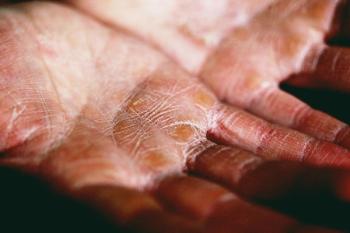
Researchers cite a lack of knowledge on the disease and treatments, which they believe affect the quality of life of patients.

An SMS-based, interactive, educational video greatly increased information related to COVID-19 vaccines, confidence in vaccine safety, and an inclination to receive the vaccine.

Investigators report on the implications of ethnicity and rheumatic diseases on South Korean patients with COVID-19.
The American College of Rheumatology has updated its treatment guidelines for the management of pediatric rheumatic disease during the COVID-19 pandemic. The guideline includes 33 final guidance recommendations, 8 of which received moderate-to-high task force consensus.

Upadacitinib (UPA) effectively treated patients with psoriatic arthritis (PsA) and axial involvement, a group that is historically more likely to have higher disease burden and more quality-of-life impairments than patients without axial involvement.

The enteric nervous system (ENS) is comprised of the lining of the esophagus, stomach, small intestine, and colon and is estimated to include 500 million neurons and 40 neurotransmitters directly connected to mood and cognition. The newest research suggests that 95% of available serotonin and 50% of bio-available dopamine is produced in the ENS.

New research shows clinical effectiveness in increasing biologic doses in children, depending on the agent.

Rheumatology Network interviewed Hermine Brunner, MD, MSc, MBA, lead investigator of the JUNIPERA study, which reported on the safety and efficacy of secukinumab for patients with juvenile idiopathic arthritis (JIA), presented at the EULAR 2021 Virtual Congress. Secukinumab was the first approved biologic for specific JIA categories in the US and marked improvement of skin involvement with juvenile spondyloarthritis (jPSA) and increased quality of life for children with chronic arthritis plus psoriasis.

A new study builds upon previous insights and contributes to the growing trend of probiotic treatment in young patients.

Take 5 minutes to catch up on Rheumatology Network's highlights from the week ending June 18, 2021.
A new study shows an increase in same or next day admissions in patients who opt for home infusions.

Investigators push for messaging transparency and consistency from health care professionals in regard to arthritis medication.
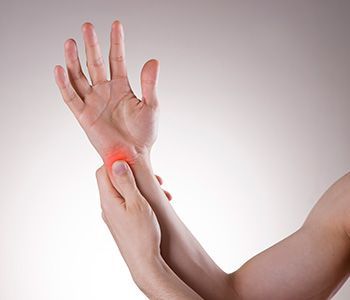
In patients with psoriatic arthritis (PsA), guselkumab (Tremfya, Janssen Immunology) treatment reduced serum protein levels of acute phase and T-helper cell 17 (Th17) effector cytokines, achieving comparable levels to those in healthy controls.

The risk was generally did not depend on whether the initial fracture was deemed traumatic or nontraumatic.

An analysis of data from more than 1000 women in Australia suggests each incremental increase in abdominal aortic calcification was linked to a 3% increase in risk of fall-related hospitalizations.
The American College of Rheumatology (ACR) published its long-awaited update to the 2015 Guidelines on the Management of Rheumatoid Arthritis last week. Have you read the 2021 update yet? Test your knowledge of the most important points with our quiz.

Investigators study loci and the hereditary nature of the disease, which was categorized as a global health priority by the WHO 3 years ago.
Take 5 minutes to catch up on Rheumatology Network's highlights from the week ending June 11, 2021.
Liana Fraenkel, MD, MPH, discusses the recent updates to the American College of Rheumatology Guideline for the Treatment of Rheumatoid Arthritis, for which she served as part of the Core Leadership Team.
Risankizumab showed significantly greater improvements in symptoms of psoriatic arthritis when compared with a placebo and was well tolerated in patients who were intolerant to biologics and conventional synthetic disease-modifying antirheumatic drugs.

Boston investigators observe increased kidney injury and risk of ventilation among infected immunocompromised patients.
Of the 44 new recommendations, 7 were strongly recommended.
The American College of Rheumatology has updated its treatment guidelines for rheumatoid arthritis. The guideline includes 44 treatment recommendations, 7 of which are now strongly recommended.

An analysis of data from the Women's Health Initiative provides an overview of the risk of subsequent fracture seen among women with a history of traumatic versus nontraumatic fracture in postmenopausal women.
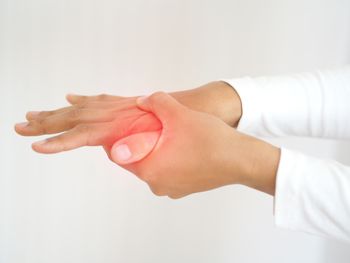
In addition to swollen joint count, joint location and functional impairment should also be considered when describing psoriatic arthritis as moderate.
Take 5 minutes to catch up on Rheumatology Network's highlights from the week ending June 4, 2021.

Data show 89 of 602 patients with rheumatoid arthritis had renal damage, with patients predominantly female and older age.
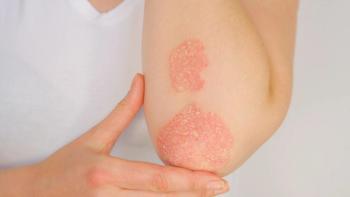
Data from the COSMOS study showed that 44.4% of patients who received guselkumab versus 19.8% of patients who received placebo achieved a ≥20% improvement at week 24.
People with rheumatoid arthritis (RA) should be encouraged to participate in regular physical activity but what types of physical activity are recommended? Test your knowledge of the recommendations in this quiz.