

A separate paper also found that the overall risk of serious infection was low in new users of targeted therapy.
A separate paper also found that the overall risk of serious infection was low in new users of targeted therapy.

Both treatment arms experienced significant improvements in measured parameters from baseline, although these were not all statistically significant.

A retrospective analysis compared data from the BE OPTIMAL and BE COMPLETE trials with data from pivotal trials of the IL-23–targeting therapies.
The study was not adequately powered to assess a significant association with cancer mortalities.

Adalimumab-aaty was FDA approved on May 23, 2023, and became commercially available in the US on July 2, 2023.

Similar trends were seen in study participants that transitioned from receiving placebo to bimekizumab after study week 16.

Adjusted analyses reveal a statistically significantly higher prescription medication cost in patients with RA compared to those without.

Results showed comparable clinically meaningful improvements in health-related quality of life among patients treated with the adalimumab reference product and biosimilar adalimumab-adbm.

A new study using FDA's Sentinel System found no significant association between recombinant zoster vaccine and incident gout in adults aged 50+.

Patients with gout demonstrated higher rates of multiple medical and surgical complications than non-gout patients after primary THA.

A new study found approximately 40% with osteoarthritis and 36.3% with RA screened positive for anxiety, depression, and fibromyalgia.

Results showed particular heavy metals increased the risk of arthritis.

Levels of obesity indicators, including body mass index and waist circumference, were notably higher in patients with gout compared to those without gout.

A new study revealed patients with chronic pain treated with opioid analgesics had a greater prevalence of opioid dependence, opioid use disorder, and aberrant behavior.

Subjects reported pain at the injection site was significantly reduced with the One-Press autoinjector pen and 98% chose the pen as their preferred medication delivery system.
The most commonly reported symptoms were bodily pain, joint tenderness and swelling, and joint pain.

The repository corticotropin injection is designed to help patients manage their medication alongside a range of chronic and acute autoimmune and inflammatory conditions.

The study highlighted the potential role of shared decision-making in building trust in physicians among patients with SLE.

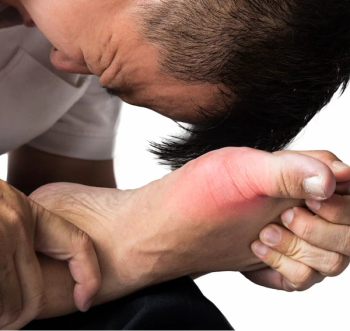
Prolonged gout, repeated flares, and severe pain impact the psychological status of patients.

Responders at week 104 demonstrated more significant changes from baseline and achieved normative values in PROs compared with non-responders.

Inverse variance weighting showed beef intake, iron intake, process meat intake, cheese intake, and fresh and dried fruit intake were strongly linked to inflammatory arthritis.

Investigators found patients with comorbid temporomandibular disorder, migraines, and fibromyalgia experienced longer pain duration than patients with only 1 comorbidity.

Among patients with fibromyalgia, there was a moderate negative correlation between vitamin D and physical functioning as well as between magnesium and stiffness.
The rheumatology month in review highlights the significance of early diagnosis in managing fibromyalgia, the prevalence of sexual dysfunction in patients with arthritis, and the impact of physical activity on arthritis symptoms.

Patients with inflammatory arthritis experiencing “long COVID” reported significantly worse disease activity.
Test your knowledge of juvenile idiopathic arthritis (JIA) treatment recommendations from the 2021 ACR guideline on JIA with this quiz.

Patients with lower levels of physical activity had higher levels of fatigue and a higher risk of sarcopenia.

PASI100 was achieved by 41.7% of patients at week 16 and 70.6% at week 260.
Although half of participants strongly agreed that gouty arthritis is painful and can cause anxiety, only 15.28% agreed on the importance of dietary intake as a means for prevention.

Vitamin D insufficiency was linked to reduced muscle strength, increased pain, higher disease activity, fatigue, and worsened disease outcomes.