

Men who smoke are at a decreased risk of receiving total joint replacement (TJR) surgery of the hip or knee compared to men who have never smoked.
Men who smoke are at a decreased risk of receiving total joint replacement (TJR) surgery of the hip or knee compared to men who have never smoked.
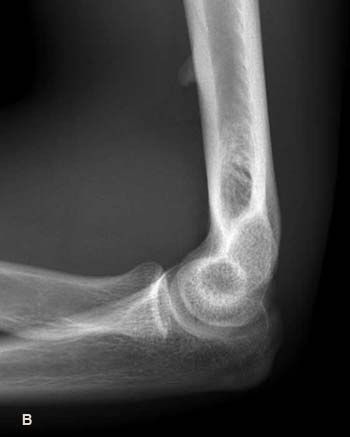
A 10-year-old boy injured his left elbow during football practice. He subsequently had pain with normal range of motion of the elbow. He had minimal tenderness over his olecranon but no joint swelling, bruising, or palpable mass

Scaling Mt. Everest is a tremendous achievement even for the fittest of climbers. For those suffering from rheumatoid arthritis, it was unheard of-until now.

Regional cancellous bone mineral density (BMD) can be approximated from Hounsfield units (HU) measured on CT examinations using automatic exposure control; this information is reliable and follows a predictable pattern with increasing age.
Accurate diagnosis of elastofibroma dorsi may be achieved with a proper clinical history, knowledge of the characteristic site of the lesion, and typical imaging findings to avoid unnecessary biopsy and surgery.
Quadriceps (rectus femoris) strains are common among athletes, usually after kicking or sprinting. Learn about imaging tests for diagnosis and the exercises that encourage healing and rehabilitation.
Reactivation of latent tuberculosis infection (LTBI) has emerged as a problem in patients with rheumatoid arthritis (RA). Anti–tumor necrosis factor α therapy is strongly associated with reactivation of tuberculosis (TB) in patients with RA.
Joint aspiration may be used for diagnosis or for relieving pressure, and joint injection may be used for treatment. Physicians can easily become proficient in aspiration and injection techniques. Indications for aspiration include both acute and chronic arthritis; there are few absolute contraindications. Intra-articular injections of medication usually are an adjunct to other treatment modalities.
NSAIDs are among the most frequently used and prescribed medications in the management of musculoskeletal pain and injury. Many physicians consider them to be the medication of choice. However, a number of studies have questioned the value of NSAIDs in the healing process of bone, muscle, tendon, and ligament injuries
Misdiagnosis of fibromyalgia syndrome (FMS) occurs frequently in the clinic. In our case report, a 27-year-old woman with recurring neck pain and stiffness had received a diagnosis of cervical spondylosis, but later a definitive diagnosis of FMS was made. Misdiagnosis of FMS has occurred with various other diseases.
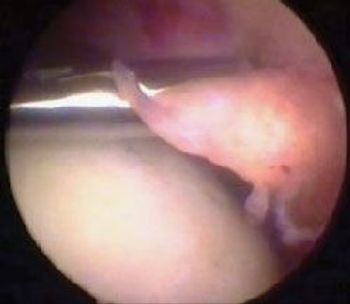
A 23-year-old woman who reported experiencing direct trauma to her right knee on a hard surface 3 months earlier was admitted to the arthroscopy unit with complaints of decreased range of motion (flexion, 90°; extension, 75°) and intractable pain.
A new treatment for a disabling hand condition-Dupuytren disease, or Dupuytren contracture-can restore a person’s ability to perform everyday tasks, according to Hands: Strategies for Strong, Pain-Free Hands, a new edition of the Special Health Report from Harvard Medical School. The report describes the causes of and treatments for a variety of conditions that can cause hand pain and features information on hand exercises.
Disability worsens over time in patients with systemic sclerosis (SSc). Diffuse disease and severity of breathing problems are the strongest determinants of disability; others include joint pain and contractures, fatigue, and depression
Cymbalta was approved in August 2010 to treat chronic musculoskeletal pain, but does it work?
Drug-induced rash with eosinophilia and systemic symptoms (DRESS) syndrome may be triggered by numerous chemically unrelated medications. Allopurinol-induced DRESS (A-DRESS) syndrome carries the highest mortality risk.
Patient Guide for patients with rheumatoid arthritis
The prevalence of Lyme arthritis is high in pediatric patients who present with joint effusions in an area of the Northeastern United States in which the disease is endemic, and the disease is more common than septic arthritis.
Sjogren syndrome affects up to 4 million Americans. There is no cure, but the symptoms-mainly dry eyes and dry mouth-can be relieved.

NICE has issued final guidance recommending golimumab for the treatment of psoriatic arthritis.

FDA approved tablet provides a new treatment option for RA sufferers who may be at risk for upper gastrointestinal ulcers stemming from chronic NSAID use.

Latest plan to confront opioid misuse, abuse, and diversion calls for stepped-up education, monitoring, proper disposal, and enforcement efforts.

Humira was found to be ineffective on twenty-eight percent of RA patients in a recent study

Researchers at Brigham and Women's Hospital report an injectable gel that could spell the future for treating inflammatory diseases
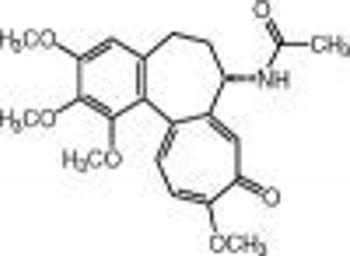
Prior to an FDA ban on unapproved colchicine products, the drugs cost $0.10 a pill. The only FDA-approved colchicine product costs $5 a pill.
Rheumatoid arthritis and other autoimmune diseases affect more than 50 million Americans. Coordinated care is the key to reducing direct and indirect costs.
Limited joint mobility (LJM) is a common complication of diabetes mellitus (DM). LJM often is characterized by hand stiffness, but other joints may be involved. The prayer and tabletop signs may be used to detect limitation of joint mobility in the hands.
The incidence of ankle fractures in the older patient population is rising. These fractures are characterized as fragility fractures associated with osteoporosis, but propensity for falls, increased weight, and polypharmacy may be bigger risk factors than poor bone quality.
Degenerative spondylolisthesis usually is asymptomatic but may be associated with symptomatic spinal stenosis. Because the latter often is detected by imaging studies in asymptomatic patients, clinical correlation between symptoms and imaging is critical.
Benlysta (belimumab) has received FDA approval for the treatment of patients with active, autoantibody-positive lupus (systemic lupus erythematosus) who are receiving standard therapy, including corticosteroids, antimalarials, immunosuppressives, and NSAIDs, the agency announced.
As seen on the Discovery Health series Body Invaders, learn how gout arthritis can affect the human body.