

Geraniol, linalool or α-humulene elevated mechanical thresholds in a time-dependent fashion in mice models of pain.
Geraniol, linalool or α-humulene elevated mechanical thresholds in a time-dependent fashion in mice models of pain.

XORTX is meeting with the FDA in a Type B meeting regarding a potential NDA for XORLO.

Women, younger patients, and those with fibromyalgia were at particular risk of anxiety and depression, a new analysis shows.

A newly passed bill permits 2.8% Medicare physician payment cuts.

Data from the POETYK PsA-2 trial examining deucravacitinib were presented at the 2025 American Academy of Dermatology annual meeting.

The rheumatology month in review emphasizes new research in gout, fibromyalgia, and lupus.

The filing acceptance is based on positive data from the phase 3 REGENCY study. A decision on the approval is expected by October 2025.

The biosimilars are expected to become available in the US in June 2025.

The Phase 2b RENOIR trial met its primary endpoint and key secondary endpoints in patients with RA in new 12-week data.

Investigators hope that the model may serve as a foundation for future applications in gout diagnosis.
Copper had a positive association with FM risk and iron had a negative association.

Dual-energy computed tomography is able to characterize MSU in joints as well as chronic asymptomatic urolithiasis in kidneys.

Use of obinutuzumab was associated with significant improvements in complete renal response rate and markers of disease activity in active lupus nephritis.

Stanza previously demonstrated efficacy in helping to manage fibromyalgia in adult patients when compared with digital symptom tracking in phase 3 data.

Golimumab, marketed under the names Simponi and Simponi Aria, is approved for RA, PsA, AS, and UC.
ADI-001 now has FDA Fast Track Designation for relapsed/refractory lupus nephritis and systemic lupus erythematosus with extrarenal involvement.

Endocrinological stress indicators were not associated with perceived stress, which was related to symptom severity.

Tocilizumab-anoh will be available in both intravenous and subcutaneous formulations.

The rheumatology month in review emphasizes new research in gout, fibromyalgia, and psoriatic arthritis.

Levels of the neutrophil activation marker calprotectin correlated with NLR and MLR correlated with total number of gout attacks.

People with inflammatory bowel disease and FM tended to have a higher disease duration and reported higher rates of fatigue and lower QoL.

New research highlights the importance of immunomodulation before pegloticase exposure.

Delphi exercises revealed concordance between prioritized areas but also notable differences.

The lower BHI observed was likely associated with effects on the musculoskeletal system and not the central nervous system.

Infection and injury were the most common responsible diagnoses for patinets with both PsA or AS.

Cancer risk was examined for breast, colorectal, lung, and prostate cancer.

A post-hoc analysis evaluated pooled data from 4 trials of pegloticase.

A study found frequent comorbidity between cluster headache, fibromyalgia, and migraine, as well as heightened depression and sleep disturbance among these individuals.
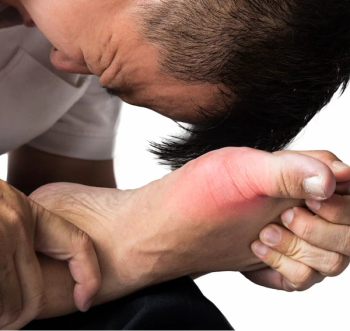
Heat therapy often worsened symptoms in a randomized controlled trial.