

Physiotherapy, exercise and pain medications should be part of the treatment plan to improve the quality of life of patients suffering from stiffness associated with axial spondyloarthritis.
Physiotherapy, exercise and pain medications should be part of the treatment plan to improve the quality of life of patients suffering from stiffness associated with axial spondyloarthritis.

Osteoarthritis and rheumatoid arthritis patients report having similar pain levels in the beginning, but by six months, osteoarthritis patients say their pain is worse. This suggests a need for more effective osteoarthritis treatments, say researchers writing in Arthritis & Rheumatology. In this Q&A, the study’s lead author, Theodore Pincus, M.D., of Rush University Medical Center in Chicago, shares his findings with us.

A new systematic review and meta-analysis shows that while NSAIDs peaks at two weeks, while gastrointestinal and cardiovascular adverse events linger.

The therapy will carry a one-year treatment advisory and boxed warning on its label for cardiovascular risks.

Study shows there is no substantial difference in cardiovascular risk associated with different biologic therapies for psoriasis and psoriatic arthritis patients.

When it comes to reducing the risk of gout flares, dietary sources of omega-3 polyunsaturated fatty acids may be superior to supplements, shows a new study.

In chronic low back pain patients, spinal manipulation therapy can be equally effective at relieving pain and better at providing short-term function improvement compared to recommended treatments, according to recent research.

An aging US population, plus minimal non-invasive alternative options, determine the rate and scope of work an orthopedic surgeon sees today.
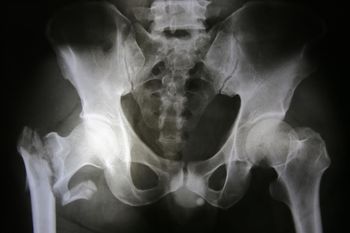
The potential for intervening in bone loss due to aging may require a broader approach to the interactions of both the hematopoietic and skeletal systems.

Intra-articular hyaluronic acid may be suitable as treatment for knee osteoarthritis, a review shows. The findings are inconsistent with many of the clinical guidelines.

An editorial in today's issue of Rheumatology makes a strong case for trying subcutaneous methotrexate first before a biologic.

Growth of bacteria in the intestinal tract is associated with increased lupus activity, particularly lupus nephritis, according to recent research.
Certolizumab pegol (Cimzia) is the first FDA-approved treatment for the condition.

Burnout affects 42 percent of doctors, a survey shows. Loss of patient trust has been identified as a casualty of burnout.
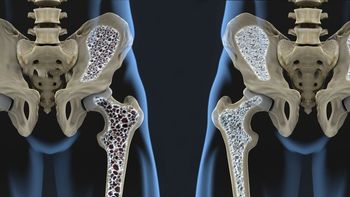
How well do you know the ACR treatment recommendations for the prevention and treatment of glucocorticoid-induced osteoporosis? Test your knowledge with this quiz.

Electronic health records data can be used to create forecast models of disease outcomes in rheumatoid arthritis patients, according to new research.

Reproductive-age female patients face potential pregnancy complications, but rheumatologists rarely discuss family planning. New research reveals barriers preventing rheumatologists from starting these conversations.

There are a number treatment options for acute gout flares, but only one mainstay to prevent flares. In this article, we review treatment options.

Shoulder replacement in arthritis patients has increased in recent decades, but research shows that more replacements fail than previously thought, requiring more revision surgeries.
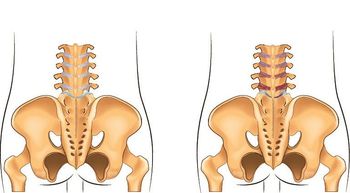
The cause of discovertebral lesions in ankylosing spondylitis may be due to infectious, inflammatory or traumatic etiologies suggest researchers writing in the Journal of Rheumatology. They examined the most prevalent-and conflicting-theories associated with this medical mystery.

Adding tools with graphic information to conversations about total knee replacement can improve patient understanding of the procedure’s benefits and risks, new research shows.
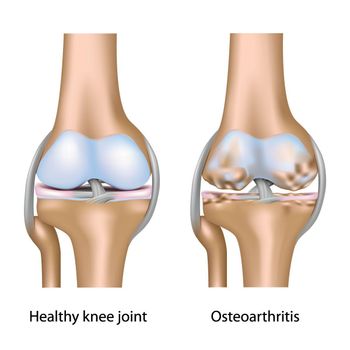
Synovitis is common in osteoarthritis, new research shows. The study suggests the need for a shift in treatment paradigms that target structural disease progression rather than just alleviating pain.

Drug-induced lupus and systemic lupus erythematosus (SLE) are two entirely different entities. Failure to identify SLE could lead to worsening symptoms, researchers say.

A new study published online ahead of print in Arthritis Care & Research sheds light on the barriers rheumatology patients face with regards to smoking cessation while describing individual reactions to cessation protocols and identifying patient centered outcomes after improvements in care.

Increased competition in the pharmaceutical market does not necessarily translate into price reductions. "Our findings illustrate a market failure contributing to the rising costs of prescription drugs," researchers write in JAMA Internal Medicine.

Enhancing supplementation of vitamin D among pregnant women could have far-reaching implications on the bone health of whole societies. That was the conclusion drawn from a study conducted in Iran on the impact of low-dose vitamin D supplements on fetal bone development.

The impact of omega-3 fatty acids (FA) on systemic inflammatory responses has been demonstrated in a number of dietary and epidemiologic studies. A recent editorial in Joint Bone Spine by Olfa Saidane1 and colleagues suggests a prophylactic role of Omega-3 FAs in the possible prevention of inflammatory diseases such as rheumatoid arthritis (RA).

Renal transplant can substantially improve survival rates for patients with lupus nephritis, according to new research.

A recent study published in Medicine highlights the top 100 articles focused on rheumatoid arthritis that have revealed the most data. Learn more in this article.

Using a frailty index to predict adverse outcomes and mortality in systemic lupus erythematosus proves to be feasible and effective in a study. The test, SLICC-FI, correlated well with existing measures of SLE disease activity, organ damage and HRQoL.