

Findings highlight an urgent need for improved gout management strategies to reduce costs, improve quality of life, and reduce gout symptoms in patients with comorbid gout and CKD.
Findings highlight an urgent need for improved gout management strategies to reduce costs, improve quality of life, and reduce gout symptoms in patients with comorbid gout and CKD.

A propensity score matched analysis suggests use of SGLT2 inhibitors could reduce risk of negative outcomes in patients with systemic lupus erythematosus and type 2 diabetes.

Urate-lowering therapy was strongly associated with successful treat-to-target benchmarks in gout, including serum uric acid levels, but adherence remained low.

Exactly half of the sample had previously read or applied ≥ 1 Clinical Practice Guideline in the field of fibromyalgia.

Adults with active PsA treated with guselkumab exhibited durable achievement of study endpoints associated with disease control, irrespective of baseline characteristics.

An analysis of CDC WONDER data details disparities among the cardiovascular mortality rate for patients with rheumatoid arthritis in the US.

The approval was based on previous data from well-controlled RA studies coupled with findings from a multinational, dose-finding study of pediatric patients with pJIA.
Patients in the active counseling group were more likely to achieve low disease activity or remission.
Participants said the process was easy, convenient, and informed their self-management behaviors.
The rheumatology month in review addresses opioid concerns and promotes holistic care in managing chronic conditions.
cfPWV values were significantly higher in patients with PsA compared with controls, even after adjusting for confounders.
The approvals were based on data from well-controlled studies of the drug in adult patients with PsA and RA.
A significantly greater improvement in total FIQ scores was observed among patients with fibromyalgia receiving rTMS compared with placebo.

The analysis of NHANES data revealed a dose-response association between weekly moderate-to-vigorous physical activity levels and hyperuricemia risk.

In a new study, 16% of patients with RA and 22% with PsA had sleeping issues during the last week.
A binary logistic regression analysis recognized factors significantly linked to an increased prevalence of gout, including sex, a history of renal disease or diabetes mellitus, and podagra.
Among included RA studies, 83.3% showed significantly better clinical outcomes in patients managed with a T2T strategy compared with usual care.

As the severity of rheumatoid arthritis disease activity increases, so does the prevalence of depression, a new study found.
After initiating treatment with ixekizumab, tender and swollen joint counts, pain, fatigue, and body surface area affected by psoriasis were significantly improved.

Age, chronic comorbidities, and COVID-19 vaccination status in patients with IMIDs serve as risk factors for severe COVID-19 outcomes.

Combining algorithms SCORE2 and QRISK3 created the best predictive model to predict the cardiovascular risk for patients with PsA.
An analysis of individual food groups revealed higher intakes of healthy plant foods, including tea, coffee, and whole grains were linked to a lower risk of gout.
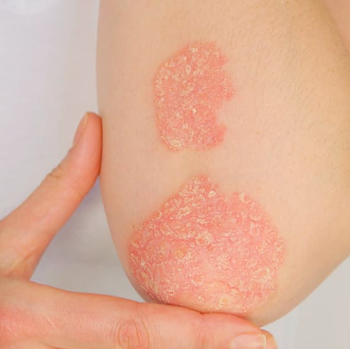
These data highlight the role of the National Health Service, though the relationship between socio-economic background and health outcomes remains complex.

When the serum cotinine levels were below -2.756 ng/mL, each 1 ng/mL increase in log-2-transformed serum cotinine levels increased the RA risk by 16.3%.
Andrew Sharobeem, DO, discusses the major unmet needs among patients with Ehlers-Danlos Syndrome, including awareness among healthcare providers.

These data may allow for improved identification of individuals with gout who may be likely to require escalation of their febuxostat dose to reach the serum urate target.

New analysis suggests use of high-dose etanercept may help children with juvenile idiopathic arthritis achieve remission and reduce disease activity.

This analysis may require further research to determine whether other treatment-resistant depression or severe depression definitions are specifically associated with inflammatory joint disease.

Patients with systemic autoimmune/inflammatory rheumatic diseases were nearly 3 times more likely to receive opioid prescriptions from 2006 to 2019.

An analysis of more than 1800 adults with psoriatic arthritis found more than 20% of patients report widespread pain, with 10% meeting fibromyalgia criteria.