

Since family physicians are more likely to adhere to a patient-centered biopsychosocial model than specialist physicians who treat chronic pain, primary care seems to be the logical "home" for its treatment.
Since family physicians are more likely to adhere to a patient-centered biopsychosocial model than specialist physicians who treat chronic pain, primary care seems to be the logical "home" for its treatment.
Since pain typically presents before bone lesions are displayed on radiographs, a true diagnosis may be overlooked and the early stages can be easily missed.
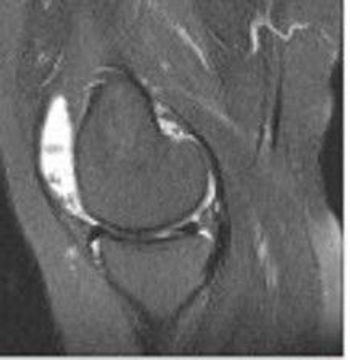
For a woman of her age and medical history with a weight problem, early osteoarthritis might not be an unreasonable diagnosis for knee pain and swelling after treadmill walking. But in rheumatology, things are so often not what they seem at first glance. What is your diagnosis?
A study of more than 1,000 patients with systemic sclerosis over 5 years has revealed how symptoms and outcomes vary with age at onset.
Sometimes, chronic pain patients intentionally magnify or downplay their physical and mental symptoms during office visits. Despite that fact, little attention in the clinical setting is paid to underlying motives for positively or negatively biased self-reports.

Cardiovascular risk is known to be increased among patients with rheumatoid arthritis (RA), but the interplay between inflammatory and cardiovascular causes and the possible role of medications muddle the picture. No wonder, perhaps, that rheumatologists have difficulty managing this risk. Here, some guidance from experts on the question.

Rheumatologists can dramatically reduce the chances of an infection common to RA patients on biologics -- pneumocystis pneumonia (PCP) – with a simple regimen of prophylactic antibiotics, a small study suggests.
Among patients with peripheral artery disease and intermittent claudication, a daily dose of 10 mg ramipril can improve pain-free treadmill walking times, which are associated with a significant increase in physical functioning.
Among its comprehensive review articles on spinal deformities, fractures, and other pediatric orthopedic conditions, the December 2013 issue of Surgery includes a concise and interesting article on the many foot problems orthopedic surgeons may encounter in children.
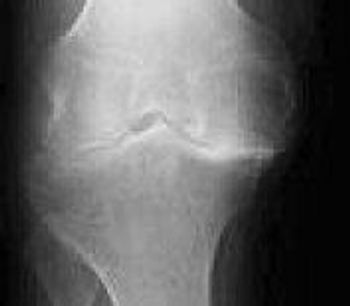
The Osteoarthritis Research Society International has given NSAIDs, corticosteroid injections, and canes the nod as appropriate for knee OA. Other interventions, including glucosamine/chondroitin and intra-articular hyaluronic acid, are judged of uncertain benefit.
Left ventricle strength weakens slowly in gout patients, with the first evidence often being left atrial volume enlargement. This appears to correlate with the development of tophi.
Methotrexate, according to a new study, is a nauseating thought even before most patients take their regular dose. What are the implications for treatment, and what can you do to help?

How should rheumatologists respond to demands for medical marijuana, either from legislatures or directly from patients? Here from a knowledgeable source are 8 reasons (and more) why the medical and scientific evidence weighs heavily against it, especially in rheumatology.
Early repair of complete hamstring tendon rupture offers good-to-excellent recovery of hamstring strength and endurance in professional football players, although the injury may be a marker of elite-level physical deterioration.
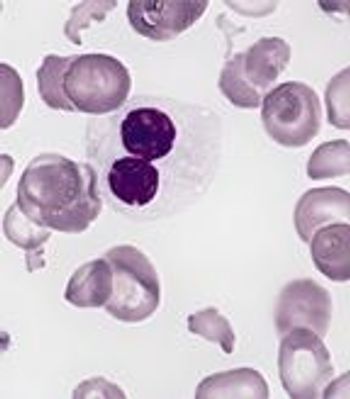
For more than half of patients with myelodysplastic syndrome, swollen and tender joints preceded diagnosis by nearly a year, according to a new study. Also last week in the nonspecialty journals: A shark genome shows early steps in immune system evolution.
There's limited study of whether disease-modifying drugs for rheumatoid arthritis, with the exception of methotrexate and anakinra, present a risk to a fetus. However, curiously, adverse pregnancy outcomes may increase a healthy mother's risk for developing RA.
Tocilizumab (Actemra) appears to dampen inflammation, increase hemoglobin, and improve inflammatory anemia in rheumatoid arthritis (RA), judging from post hoc analysis of a randomized late-stage clinical trial.

Last year's approval of belimumab (Benlysta) revolutionized lupus treatment. How safe and effective is it, actually? Do similar inhibitors of the B-cell activating factor BAFF, now in testing, appear even more promising? Here are the basics from an expert on the subject.
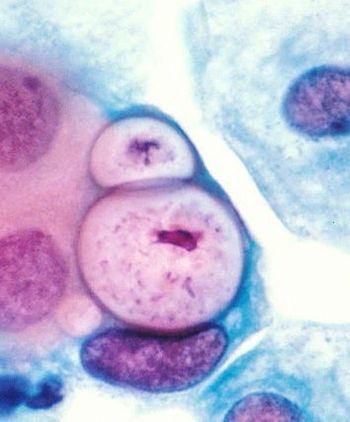
Treating chlamydial infection not only eradicates the micro-organisms from joints, placebo-controlled studies have shown. It also relieves symptoms of reactive arthritis.
A study from the Netherlands has found a range of minimum serum levels of adalimumab that are associated with a good clinical response in rheumatoid arthritis. As in other studies, adding methotrexate helps.

In 2014 hydrocodone-containing medications will likely be upgraded to Schedule II, making them a challenge to prescribe. What can you do for patients who truly depend on them for pain relief?

Examining evidence on vitamin D deficiency in elderly and young populations expands the hormone's clinical knowledge base.
New in the non-rheumatology journals: Among osteoarthritis patients in the UK, 10-year survival rates were doubled after metal-on-metal (MoM) hip resurfacing, compared with other types of hip replacement.
Why are gout patients seeking treatment from their healthcare providers at three times the rate they were in the later 20th century? Researchers suggest that better disease awareness and an aging population may hold the answers.
ACR2013: A new study from the Karolinska Institute in Sweden suggests that hormone therapy may reduce the risk for ACPA-positive rheumatoid arthritis.
Researchers found a more than tripled risk of ASDs and VSDs in children born to SLE mothers in a study reported at the recent annual meeting of the American College of Rheumatology.
In partnership with the British Medical Journal, the Lupus Foundation of America will publish Lupus Science and Medicine beginning in 2014.
ACR2013: Joints erode in systemic lupus erythematosus and primary Sjӧgren’s Syndrome. But French researchers say their MRI studies don't justify classing them as erosive disorders like rheumatoid arthritis.

Two new strategies for breaking through the tangle of pathways to identify those most important to rheumatoid arthritis treatment converge on a shared goal: personalized medicine.
ACR2013: Retrospective analysis of more than 10,000 pregnancies documents increased risks for hypertension, preeclampsia, preterm delivery and stillbirths among women with SLE.