
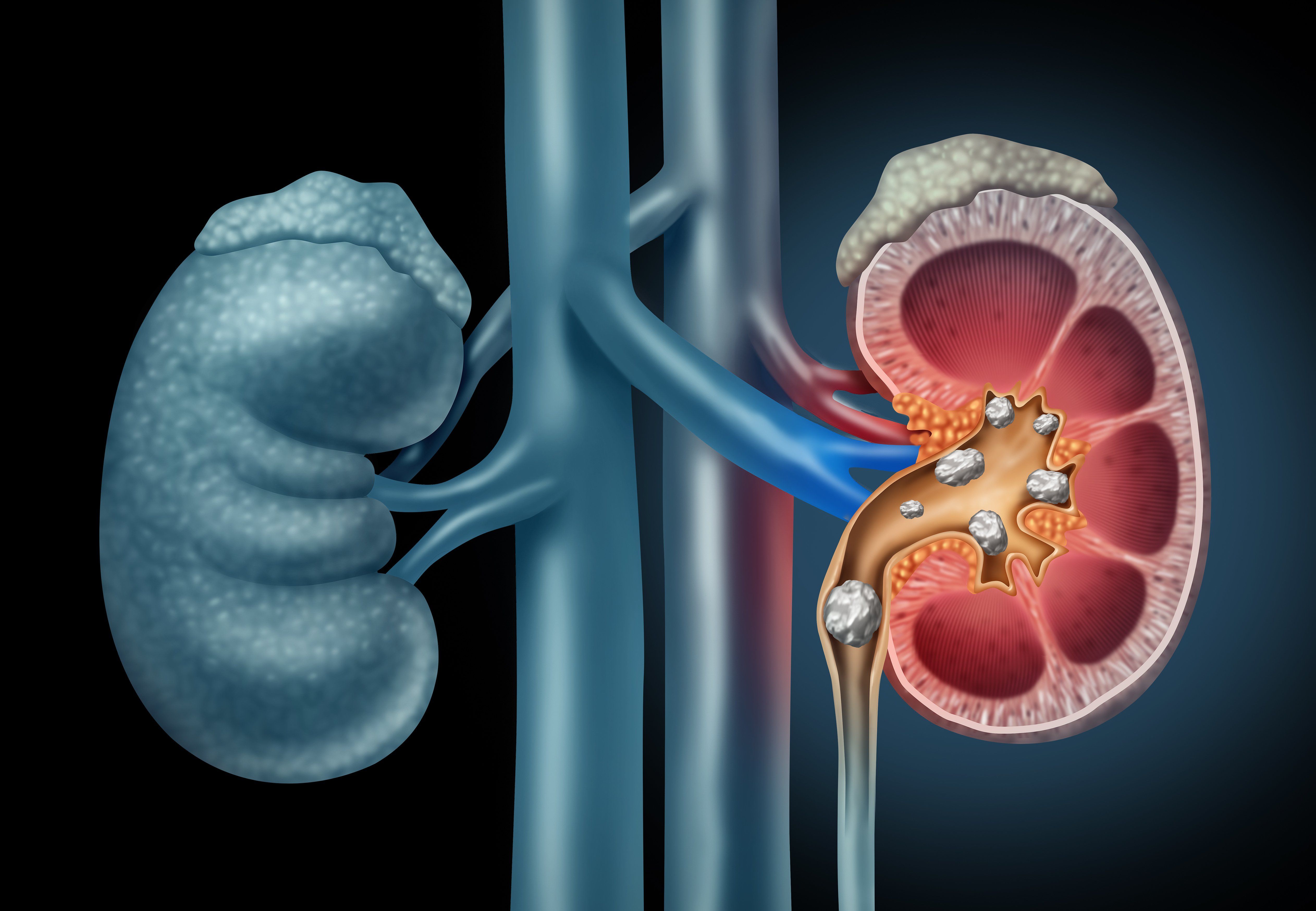


























































Mortality rates for white, African American and Hispanic patients with end stage lupus-related renal disease are down. The findings contradict a previous analysis conducted in 2006.

Mortality rates for white, African American and Hispanic patients with end stage lupus-related renal disease are down. The findings contradict a previous analysis conducted in 2006.

Growth of bacteria in the intestinal tract is associated with increased lupus activity, particularly lupus nephritis, according to recent research.

By the time a patient is diagnosed with SLE, nephritis has already set in for 35 percent of patients. The American College of Rheumatology offers screening, treatment and management guidelines for lupus nephritis patients. In this slideshow, we review the options.
Renal transplant can substantially improve survival rates for patients with lupus nephritis, according to new research.

There’s a higher risk of total organ damage and end-stage renal disease in patients with SLE.

Doctor and patients perceive the importance of lupus medications differently. In this article, we feature a UAB-derived decision aid that highlights key considerations.
The lack of progress in new treatments for lupus nephritis summarized in this scientific review.

Research points to the promise of rituximab as a second-line option for patients who do not respond to anti-TNF agents.

Dating probably doesn't enter the conversation very often during visits with your lupus patients. Here, someone who has had more than her share of struggles with lupus describes trying to find someone to share that difficult life.

Reasons why women with lupus change from azathioprine to mycophenolate mofetil or vice versa are different, as is the success of switching.
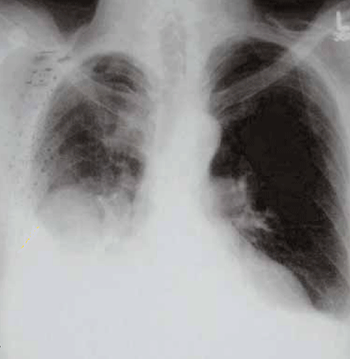
The first step in reducing the burden of infection during lupus nephritis is understanding where and how it happens.
In lupus patients, urinary CD4 T cell counts correlate selectively and specifically with disease activity and renal involvement, well enough to be used to monitor the progress of treatment.