

Findings highlight significant improvements in psychological constructs related to pain and quality of life following an 8-week intervention with hyperbaric oxygen therapy.

Abigail Brooks is an assistant managing editor for HCPLive. She joined MJH Life Sciences in August 2023 shortly after graduating from Monmouth University where she earned her BA in Communication with a concentration in Public Relations/Journalism and later an MA in Interactive Digital Media. She enjoys traveling, running, and reading books. She can be reached at abrooks@mjhlifesciences.com.
Findings highlight significant improvements in psychological constructs related to pain and quality of life following an 8-week intervention with hyperbaric oxygen therapy.

Findings highlight an urgent need for improved gout management strategies to reduce costs, improve quality of life, and reduce gout symptoms in patients with comorbid gout and CKD.

The analysis of NHANES data revealed a dose-response association between weekly moderate-to-vigorous physical activity levels and hyperuricemia risk.

The selective, allosteric tyrosine kinase 2 inhibitor demonstrated significant and clinically meaningful improvements in PROs versus placebo in a phase 2 trial of patients with PsA.

Psoriatic arthritis and spondyloarthritis occurred earlier in children and adolescents with IBD than in the matched references without IBD.

The analysis of NHANES 2005-2016 data found exposure to thiocyanate, either alone or in combination with perchlorate and nitrate, was associated with arthritis vulnerability and inflammation.

Results showed co-administration of methotrexate with pegloticase led to similar rates of urate-lowering response and adverse events in patients with and without CKD.

A 6-week bodyweight exercise program led to improved muscle strength, range of motion, and physical fitness test results in female patients with RA.

Findings suggest a positive association between valine, leucine, and isoleucine intake with RA risk, although total and individual dietary BCAA intake were not related to disease activity parameters.

Interactions with alcohol consumption were identified at ADH1B and MLXIPL for association with serum urate level and at ADH1B for association with hyperuricemia and gout

Urate-lowering therapy and dosing regimen impact the risk of gout flares, with greater fixed dosing linked to a greater risk of flares and prophylaxis associated with reductions in flare risk.

Patients with ACPA-positive RA and obesity had greater DAS44 scores compared to normal-weight patients, although this difference was not present in ACPA-negative RA.

Results call attention to the potential for early intervention and risk stratification for developing RA based on remnant cholesterol.

Nonsteroidal anti-inflammatory drug use and prednisolone equivalent dose >5 mg per day were associated with an increased risk of NAFLD, whereas hydroxychloroquine use and prednisolone equivalent dose ≤5 mg per day were associated with a decreased risk of NAFLD.

Receipt of RZV was not associated with an increased risk of incident gout among more than 1,000 adults ≥ 65 years of age who received at least 1 dose of the 2-dose vaccine regimen.

Lifestyle habits including vegetable consumption and exercise were associated with Gout Impact Scale score.

A retrospective analysis of data from the US National Inpatient Sample revealed the prevalence of fibromyalgia and chronic fatigue syndrome was significantly increased in patients with IBS compared to those without IBS.

Esme Fuller-Thomson, PhD, MSW, discusses findings from her recent study about psychiatric disorders and mental health in patients with arthritis.

Results from Mendelian randomization analyses revealed PsO and PsA did not increase the risk of basal cell carcinoma, cutaneous squamous cell carcinoma, or cutaneous melanoma.

Sex, age at disease onset, and psoriatic arthritis were associated with the greatest impact on major life-changing decisions in patients with psoriasis.
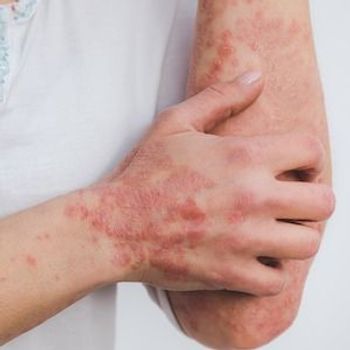
The real-world evidence study examined patients with PsA taking secukinumab and ixekizumab, highlighting 80% treatment persistence after 1 year.

Bimekizumab was found to be more cost-effective than most biologics and targeted synthetic disease-modifying antirheumatic drugs in a Swedish healthcare system-based model.

Results demonstrated a low persistence rate for apremilast among patients with PsA, highlighting a notable barrier to treatment success.

Investigators found intestinal permeability and fecal and plasma metabolomic profiles of patients with PsA in the FLORA trial cohort were associated with clinical response to FMT.

Patients with SARS-CoV-2 infection experienced a 22% increase in the incidence of immune-mediated inflammatory diseases, including T1DM, IBD, and psoriasis.