Philip Mease, MD, discusses BE BOLD, which delivers the first head-to-head superiority result for a joint-focused endpoint in psoriatic arthritis.
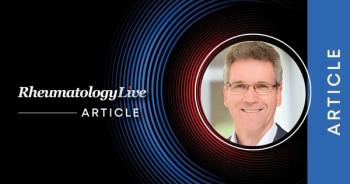
Kavanaugh discussed priorities in the disease fields in the last year of research.
At the
RheumatologyLive spoke with Kavanaugh, who serves as Professor of Medicine and Director of the Center for Innovative Therapy at the University of California, San Diego, during the meeting to learn more about what he considered the most meaningful advances and conversations in 2025 for both diseases. In RA, one of the most persistent and clinically important challenges remains clinically suspect arthralgia. The goal of identifying patients at highest risk for progressing to definitive RA, and intervening early enough to prevent irreversible joint damage, continues to drive research. Recent studies have explored whether early treatment in high-risk individuals can alter disease trajectory. While some data suggest therapy may delay progression in certain patients, the ability to reliably distinguish those destined to develop RA from those with self-limited symptoms remains elusive. Kavanaugh emphasized that the field has not yet achieved the predictive precision needed to confidently prevent disease onset and needs better risk stratification tools.
In PsA, advances have been both conceptual and therapeutic. Increasing recognition of PsA as a multidomain disease has sharpened attention on manifestations such as enthesitis, which remains difficult to measure and manage effectively. Imaging modalities, including ultrasound, have improved understanding but have not fully resolved diagnostic or assessment challenges.
Therapeutically, PsA saw notable momentum in 2025. Newer agents and evolving treatment paradigms continue to expand options, with ongoing emphasis on early intervention to prevent structural and functional complications. Kavanaugh highlighted intriguing research into combination therapy and a growing focus on metabolic health with the increasing use of GLP-1 receptor agonist therapies.
“[In PsA]… there are studies looking at combination therapy… a super exciting concept, which had been pretty much forbidden in rheumatology, based on some earlier studies in RA, and now based at least in part, on a very successful study in ulcerative colitis, we've had the ability to look at combination therapy in PsA. So that's very exciting,” Kavanaugh said.
Kavanaugh’s disclosures include Abbvie, Amgen, BMS, Lilly, Janssen, Novartis, PFizer, and UCB.