

Videos





Jeffrey Curtis, MD, MS, MPH, details how the perception of biphosphonates has been detrimental to efforts to improve treatment and diagnosis of osteoporosis.
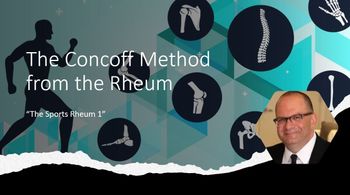
In today's issue of Rheumatology Network, we introduce The Concoff Method, a new column by Andrew Concoff, M.D., a rheumatologist who serves as executive vice president and chief value medical officer of United Rheumatology. Over the course of the next year, Dr. Concoff will publish columns that address sports medicine, value in rheumatology and managing a medical practice in the era of COVID-19. In this inaugural issue of the column, he covers the interface between sports medicine and rheumatology.

In this interview, Jeffrey Curtis, M.D., of the University of Alabama at Birmingham, addresses osteoporosis in men. It's more common than physicians may realize. "It is often misconstrued as a disease that mainly, if not only, effects Caucasian women, which is not the case,” he said.


Jeffrey Curtis, MD, MS, MPH, offers his thoughts on the most effective methods to address the underdiagnosis and undertreatment of osteoporosis in older male patients.

The annual direct costs for rheumatoid arthritis (RA) patients are estimated to range from $12,509-$36,053. A late diagnosis costs even more and one in 10 new RA cases are usually diagnosed late. In this presentation, Kathryn Johnson, RPh, of CVS Health breaks down the numbers.
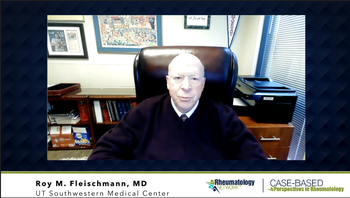

Osteoporosis therapeutic treatments should always be individualized, says Felicia Cosman, M.D., an endocrinologist with Columbia University College of Physicians and Surgeons in New York. Dr. Cosman is the author of a study recently presented at the American College of Rheumatology annual meeting in which she shared results from a study that explored treatment sequences with romosozumab before or after antiresorptive medication.

Diane Marr, rheumatology fellow at Stanford Healthcare and Clinics, recently presented a study at the annual meeting of the American College of Rheumatology in which she and her team examine the risk of osteopenia and osteoporosis in systemic sclerosis patients.

At this year's annual meeting of the American College of Rheumatology, there were a number of studies presented on different treatments for lupus. It's an exciting time in lupus research says Dr. Richard Furie, chief of rheumatology at Northwell Health in New York. In today's one on one interview, he breaks down some of the lupus studies presented at the meeting
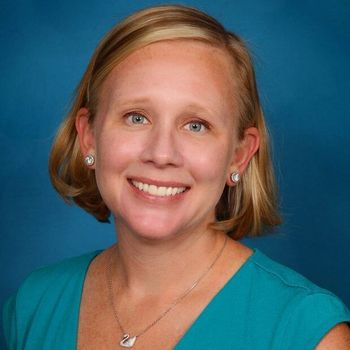
A pediatric dermatologist discusses her experience managing and treating psoriasis in children.
In a study presented at the annual meeting of the American College of Rheumatology, UK researchers showcase a study in which artificial intelligence was successfully used to identify ACPA positivity and CRP of greater than 12.3 mg/L to identify rheumatoid arthritis patients more likely to respond to sarilumab.

This week marks the start of the 2020 annual meeting of the American College of Rheumatology. Some of the studies we're covering include new therapies for lupus nephritis. Belimumab was shown recently to improve renal outcomes in lupus nephritis patients when added to standard of care. It will likely emerge as a significant treatment option, says Dr. Fotios Koumpouras, fellowship program director for rheumatology at Yale School of Medicine and a Rheumatology Network board member. Dr. Koumpouras breaks down his highlights in this interview.

Barriers to care for lupus patients has been well-document over the years. And, now, a consortium called the Addressing Lupus Pillars for Health Advancement (ALPHA) Project, has come up with a roadmap designed to resolve barriers to care.
The monoclonal antibody has built on its 18-month portfolio with sustained renal benefits for the at-need patient group.

A survey of 9,004 patients with rheumatic disease―both autoimmune-related and non-autoimmune―shows that patients may need continued medication counseling through the duration of the pandemic, finds a study due to be presented on Friday at the American College of Rheumatology.

Rheumatoid arthritis patients overwhelmingly embraced the idea of collecting patient reported outcomes by smartwatch, shows a study due to be presented on Monday in a presentation to be given at the American College of Rheumatology annual meeting.
An interview with a study author on implementing artificial intelligence into rheumatic care.
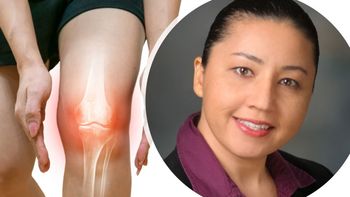
Psychosocial factors, such as support, depression, coping, and optimism are associated with pain, function, and satisfaction two years after total knee arthroplasty, shows a study from MD Anderson Cancer Center.
For kidney transplant patients with gout, the use of anti-inflammatory drugs and urate-lowering therapies typically used to prevent flares and slow the progression disease, are associated with the risk of adverse events. In this interview, Dr. Abdul Abdellatif describes a clinical trial that shows pegloticase may be suitable for transplant patients with gout.
Advertisement
Advertisement