

Themes related to coping with fibromyalgia included emotional coping, practical coping, and coping with the social environment.
Themes related to coping with fibromyalgia included emotional coping, practical coping, and coping with the social environment.

In patients with fibromyalgia, vitamin D supplementation improved physical function, and role limitations due to emotional health, general health, and social function.

The April 2023 rheumatology month in review highlights recent data regarding physical activity levels among patients with JIA, a link between fibromyalgia and psychiatric disorders, and a feature focused on the treatment of polymyalgia rheumatica.
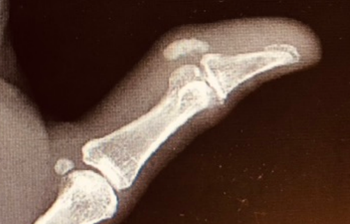
Our latest case report from Brady Pregerson, MD, featuresa woman in her mid-60s with a history of Hashimoto’s thyroiditis treated with levothyroxine presenting to the hospital with 4-5 days of pain, swelling and redness on her left thumb.

Patients with “good health literacy” had significantly lower disease activity over time than those with “several health literacy limitations,” adjusting for age, gender and education level.
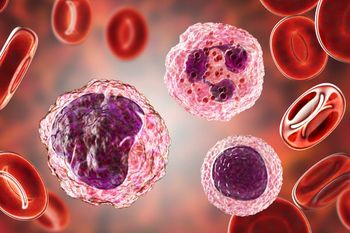
GPX3, an antioxidant enzyme and reactive oxygen species scavenger, was categorized as a hub gene in rheumatoid arthritis neutrophils.

Compared with those without SLE, those with SLE had a higher risk of fetal morbidity and mothers were almost 4 times as likely to require a blood transfusion or develop a cerebrovascular disorder.

Patients with myasthenia gravis have a higher risk of COVID-19-associated emergency department visits, hospital admissions, and 30-day mortality, but vaccination acceptance rate was high among the population

While age and fat mass were inversely associated with cardiorespiratory fitness (CRF), the physical activity index was positively associated with CRF.

Patients with fibromyalgia receiving the synbiotic intervention reported decreased levels of anxiety, depression, and stress, as well as improvements in quality of life during daily activities.

Women with rheumatoid arthritis (RA) in remission exhibited higher values of Disease Activity Score-28 for Rheumatoid Arthritis with erythrocyte sedimentation rate (DAS28-ESR) compared with men.

Between 2011 and 2018, age- and sex-adjusted prevalence among Asian Americans doubled from 3.3% to 6.6%, which exceeded all other ethnic and racial groups.

Most associate bariatric surgery with improved health outcomes, but a new study suggests clinicians and patients should be aware of potential changes in bone density brought on as a result of undergoing bariatric surgery.

At month 6, 71.0% in the smart system of disease management group achieved a DAS28-CRP of 3.2 or less compared with 64.5% in the control group.
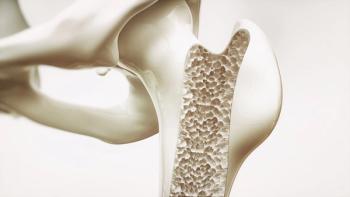
A negative relationship between bone mineral density (BMD) and hyperuricemia in total, as well as in the L1, L2, and L3 lumbar vertebrae, was demonstrated in the multivariable-adjusted regression models.
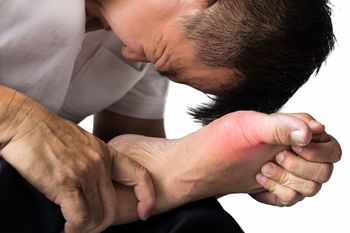
Patients with intercritical gout had higher CXCL12 levels, IL-18, and IL-1β when compared with controls.
Despite the recent advancements in the treatment of polymyalgia rheumatica, a need for more research focused on finding non-steroidal treatment options remains.

Although women with gout reported more severe symptoms and significantly worse illness perception and quality of life, they were given less information on ways to self-manage their condition.

Results revealed 92.45% of patients with fibromyalgia were simultaneously diagnosed with at least 1 type of psychiatric disorder, although most were diagnosed with 2 or more.

An analysis of data from patients presented to a pair of clinics in Greece over a 5-year period provides insight into potential differences in disease course, management, and presentation of psoriatic arthritis based on age at diagnosis.
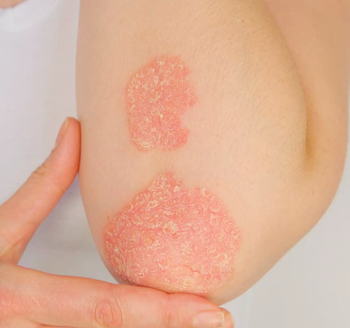
Results from the SELECT-PsA trials indicate patients with active PsA and axial involvement demonstrated greater clinical improvement with upadacitinib 15 mg versus placebo.

No significant changes in the rate of flares during the 6-month period pre- or post-vaccination were observed in patients with either rheumatoid arthritis or psoriatic arthritis.

No significant differences in the risk of myocardial infarction and other cardiovascular events were observed between patients with gout who received colchicine and those who did not.

Both drugs were well tolerated and without any serious adverse events.

Patients with cirrhosis had higher mortality rates, tophi, and gout flare.

An analysis of eGFR changes based on methotrexate use in the MIRROR trial offers new insight into the effects of pegloticase on renal function.
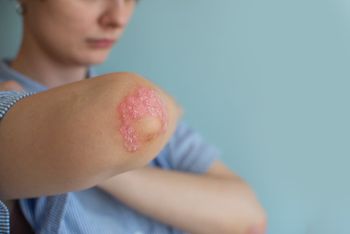
Patients with psoriatic arthritis had increased risks of non-melanoma skin cancer, lymphoma, and thyroid cancer compared with the general population.

The evolving recognition of inflammation as a driver of cardiovaacular risk and has led some to speculate around a potential role for colchicine 0.5 mg, which has a PDUFA date in June 2023, for reducing risk in patients with ASCVD.
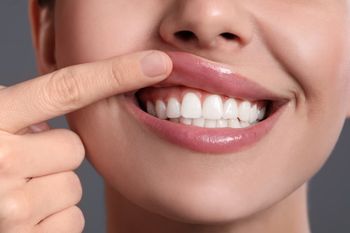
The meta-analysis observed an enhanced plasma uric acid concentration in patients with periodontitis when compared with controls.

At month 3, patients treated with tofacitinib achieved higher rates of ACR20/50, MDA, and PASI75 in both sexes when compared with the placebo. However, female patients were less likely to achieve MDA when compared with males.