

A phase II clinical study began for Galapagos NV's drug candidate GLPG0259, a novel drug being developed for rheumatoid arthritis.
A phase II clinical study began for Galapagos NV's drug candidate GLPG0259, a novel drug being developed for rheumatoid arthritis.
A second biologic option is now available for patients in New Zealand with forms of arthritis.
Certain genetic variants were discovered that lead to arthritis in women taking aromatase inhibitors.
Purple carrots have 28 times the anti-inflammatory and anti-oxidant levels of the orange carrot.
Dissimilar pharmacokinetics make blood and urine testing useful for different purposes in compliance monitoring.
Paul J. Christo, MD provides an overview of the prevalence of pain in older adults while discussing physiological age-associated changes in pain processing.
Rebecca Curtis, ACC, discussed the stages of change associated with transforming helpless patients to empowered survivors.
There are many conscious and unconscious factors that affect clinicians' reactions to patients suffering with pain.
Philip Getson, DO, takes an in-depth look at a condition that is as difficult to treat as it is to diagnose, tackling many myths about CRPS along the way.
The grief and experience of loss felt by many patients is an often overlooked component of chronic pain.
Besides the immediate impact of improperly treated pain, children can experience long-Lasting consequences.
Synovial inflammation in osteoarthritis (OA) is secondary to mechanical damage to the articular cartilage and bone. OA often is said to be a disease of weight-bearing joints, but it is more appropriate to consider them as load-bearing joints. OA is the failure of an organ, the synovial joint.
Mary Lynn McPherson gave attendees some poignant reminders about methadone treatment in a lively, entertaining, and informative session.
Physicians who treat athletes with traumatic foot and ankle injuries should know when to order special imaging studies, determine whether injuries can be managed in the office or require referral, and return the athlete to sports activity quickly. For simple ankle sprains, plain x-ray films usually are not indicated; functional rehabilitation is a first-line treatment.
Hepatitis C–related arthropathy is one of the most common extrahepatic manifestations of hepatitis C virus (HCV) infection. Although symptoms can be disabling, the prognosis typically is benign. Patients who have atypical chronic inflammatory arthritis with an unknown cause should be evaluated for HCV infection.
Melanie Thernstrom, Author of
The researchers used animal models with torn ACLs to test 3 types of fluids that could be injected into the joints to serve as a substitute for lost synovial fluid: human synoviocyte lubricin that was created in a culture and then purified to be
There may be genetic susceptibility factors for systemic lupus erythematosus (SLE) that act only in men. In about 1% of families with SLE, all the patients with SLE are male and the women universally have positive antinuclear antibodies; also, men with SLE have more children with SLE than do women with SLE.

Do's and Don'ts of Arthritis
The standard DAS 28 score is the factor most strongly affecting the level of rheumatoid arthritis-related disability, according to a study in the Journal of Clinical Rheumatology.
As reported by the Wall Street Journal, the FDA is seeking advice from a panel of medical experts on whether the antidepressant Cymbalta should be used as a treatment for chronic pain.

On July 2, 2010, CMS released the proposed changes to the Medicare Outpatient Hospital Prospective Payment System for 2011.
Interim final rules clarify the scope of internal claims and appeals procedures and external review processes under PPACA.
Shoulder pain is complex and difficult for even experienced clinicians to diagnose. This article reviews how to use history, simple physical tests, and imaging to distinguish rotator cuff disorders and osteoarthritis from osteonecrosis, adhesive capsulitis, labral tears, or acromioclavicular joint pathology.
anagement of low back pain (LBP) includes a variety of approaches. The clinician should involve patients in the discussion and encourage them to become active participants. Bed rest has many deleterious effects; remaining active is more effective for patients with acute or subacute LBP.
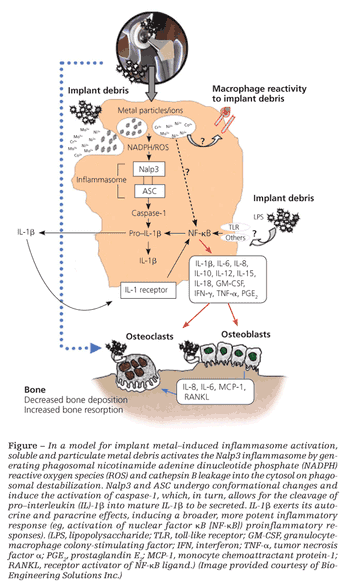
The immune system plays a dynamic role in physiological and pathogenic bone remodeling. Macrophage-, stromal-, and lymphocyte-derived cytokines may induce the activation or inhibition of bone cells and their precursors and cause bone deposition or bone resorption.
More than two-thirds of surveyed patients with gout described the pain of an attack as “miserable,” but one-fourth suggested that persons who do not have gout perceive them as overreacting to attacks and two-thirds think that others do not take the condition seriously.

The timing of the onset of a patient's symptoms can serve as a critical piece of the puzzle when trying to determine a diagnosis.
Inflammatory arthritis includes a variety of diseases; the most common are rheumatoid arthritis, ankylosing spondylitis, and psoriatic arthritis. A large proportion of patients seen in most rheumatology practices have inflammatory arthritis; these patients also are seen in the primary care setting, where they present initially before a diagnosis has been made. The inflammatory arthritides are chronic progressive diseases that can cause irreversible joint damage even early in the disease course.
More than 1 million total joint arthroplasties (TJAs) are performed in the United States each year, and much higher demand is projected. Most TJAs are successful, but aseptic loosening of implants remains a problem that limits long-term success. Aseptic osteolysis, an inflammatory reaction, occurs in up to 10% of patients at 10 years postsurgery.