

A meta-analysis of 7 prospective or retrospective cohort studies conducted in Asia and Europe suggests a diagnosis of gout or hyperuricemia was linked to a lower risk of Alzheimer disease.
A meta-analysis of 7 prospective or retrospective cohort studies conducted in Asia and Europe suggests a diagnosis of gout or hyperuricemia was linked to a lower risk of Alzheimer disease.

After stratifying for gender, age, and ethnicity, hyperuricemia remained positively associated with nephrolithiasis.

Patients receiving TNF, JAK, and CTLA4-Ig all demonstrated higher discontinuation rates due to ineffectiveness when compared to aIL-6R treatment.

Markets with an increased number of rheumatologists had lower costs per patient for emergency room visits and hospitalization compared to areas with a low supply.

A low certainty of clinically relevant positive effects of aerobic and mixed exercise training for reducing mobility difficulties was observed in patients with fibromyalgia at the end of the intervention.

The subscales presenting the highest scores in patients with fibromyalgia were foot pain and symptom intensity.

Cardiorespiratory and muscular parameters were improved after exercise rehabilitation in patients with long COVID, patients with fibromyalgia, and those with coronary artery disease.

Reduced 12-month drug retention rates were seen in patients with concurrent use of hydroxychloroquine, intravenous bDMARD use, and a history of discontinuation of the drug within the first 3 months of the pandemic.

On August 29, 2023, the Biden Administration debuted the list of the first 10 drugs identified for price negotiation under the Inflation Reduction Act. The list, which includes agents indicated for diabetes, heart failure, GI conditions, and arthritis, accounted for more than $50 billion in spending during the evaluation period.

The strongest predictors of hyperuricemia were body mass index, lipid accumulation product, and visceral adiposity index.

No statistical differences in pain or quality of life were observed between patients with fibromyalgia receiving posterior tibial nerve stimulation intervention and controls.

Real-world analyses help patients and their healthcare providers make more informed and personalized treatment decisions with the goal of long-term symptomatic relief.

At week 24, patients receiving guselkumab had significant decreases in C-reactive protein and effector cytokines linked to the interleukin-23 (IL-23)/IL-17 levels compared with patients in the placebo cohort.

Although gout was not associated with hearing loss, hyperuricemia was significantly linked to impairment.

Osteoporosis is estimated to affect 595 million patients worldwide, representing a 132% increase in total cases since 1990.

Guidelines aim to help the identification of ILD in patients with rheumatic disease and aid in improving the management of patients.

Patients with fibromyalgia reported poorer subjective sleep quality compared with controls, although accelerometry parameters showed no significant differences between groups.

Findings demonstrated Danggui Niantong Decoction combined with conventional Western medicine was more effective in treating gout than Western medicine alone.

Researchers report on the global real-world safety profile of tofacitinib in psoriatic arthritis.

Although patients in both the intervention and control cohorts gained weight, patients treated with glucocorticoids gained an average of 1.1 kg more than controls.

Findings reveal a need for distinct strategies to prevent cardiovascular events in patients with rheumatoid arthritis and psoriatic arthritis.

Granted to Ipsen, the breakthrough treatment reduces new, abnormal bone growth in people living with the ultra-rare bone disease.
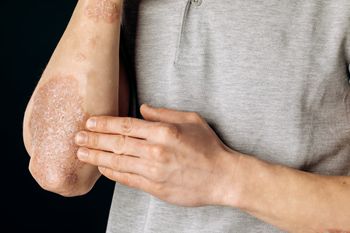
At weeks 12 and 24, the proportion of patients reporting high disease activity reduced from 16.7% to 8.3%, respectively.

This systematic review found 26 DMARDs in clinical development for spondyloarthritis, including psoriatic arthritis, but their target diversity was low.

The patient-specific definition of gout remission included minimal symptoms, the absence of dietary restrictions, and management strategies to maintain remission.

This follow-up of the MIRROR trial demonstrates significant benefits of coadministration of methotrexate with pegloticase, maintaining the initial findings from observations through 6 months.

Fibromyalgia symptoms were reduced at both 4 and 12 weeks in patients receiving tocilizumab treatment.

The analysis suggested a causal relationship between increased tea intake and overall reduced risk of gout in all 3 gout datasets.

A significantly higher number of total outpatient clinic visits was observed in patients with fibromyalgia compared to controls.

According to the PRESTO tool, the risk of developing psoriatic arthritis in patients with psoriasis within 1 year was linked to a family history of psoriasis, joint or back stiffness, male sex, younger age, pain severity, and the use of biologic medications.