

Rates of prescription filling and treatment adherence are very low in patients with new diagnoses.
Rates of prescription filling and treatment adherence are very low in patients with new diagnoses.

The conditions often coexist, and a bidirectional association is suggested.

The incretin-insulin axis and incretin effect are disrupted in patients with RA.
This is the only fully human anti-TNF-α infused therapy approved for psoriatic arthritis, ankylosing spondylitis, and rheumatoid arthritis.

Previously approved for moderate-to-severe rheumatoid arthritis, golimumab received 2 new indications.

Patients who have RA and interstitial lung disease are at higher risk for dying than those who do not.

Continuing azathioprine and prednisolone past 2 years from diagnosis was superior to withholding them.

Exposure to cold environments has been linked to disease development, and new findings may help prevention.

This modality may enhance the diagnostic workup of patients with early arthralgia at risk for inflammatory arthritis.

Improvement in DAS28 scores was statistically significant in 26% of patients using adalimumab every 3 weeks compared to every 2 weeks.

An anti-inflammatory role might explain why the majority of patients are men.

Actemra/RoActemra has potential to change how GCA is treated.

The drug is the first and only fully-human antagonist showing sustained skin clearance rates at 5 years.

The higher the dose the patient is exposed to, the greater the risk.
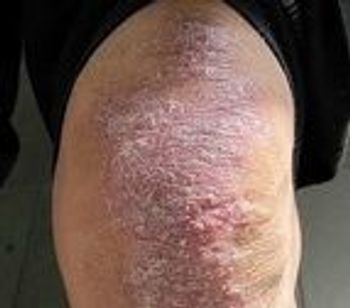
This study was the first to use an objective measure to link severity of psoriasis and risk of death.
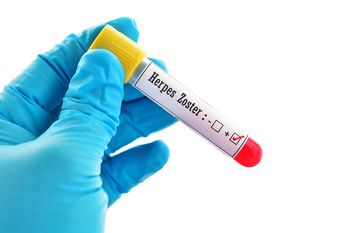
The live varicella-zoster vaccine may be effective in patients with RA who are starting treatment with tofacitinib.

The study showed positive results in a difficult-to-treat patient population.

A different course, symptoms, and perceptions often results in different coping strategies and maybe even destructive behaviors.
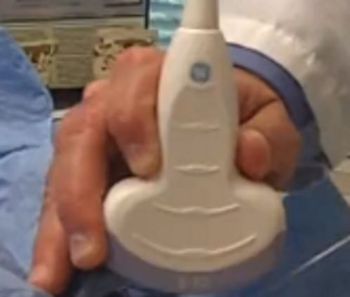
Joint swelling has the best concordance with ultrasound diagnosis. Joint symptoms may be a better clinical indicator than tenderness evaluation.
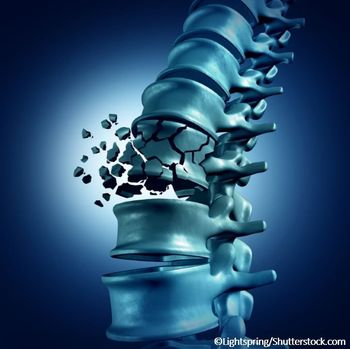
An ICER analysis and expert commentary on anabolics’ benefits and costs offer some opposing views, and some consensus.
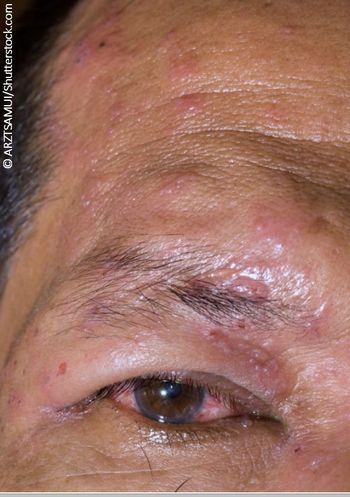
Tumor necrosis factor inhibitors and high-dose corticosteroids were the culprits.
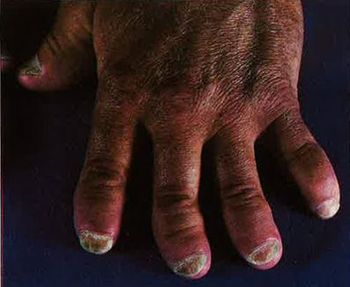
Patients demonstrated improved disease response in 2 clinical trials.

They offer insight into patients’ true health status and ought to be at the forefront of healthcare decision making.

The latest recommendations emphasize providing key information about the disease and its treatment.
In a letter to the company, the FDA cited safety and dosage concerns as major factors in their decision.
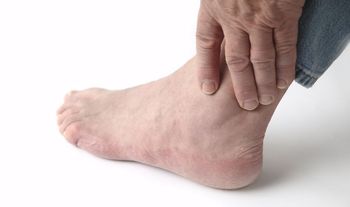
Used with or separate from traditional measures, this tool can obtain a fast assessment of remission.
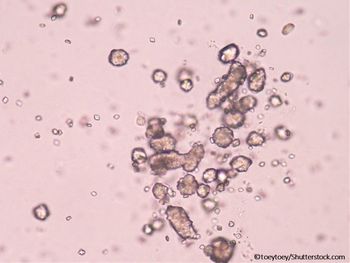
Elevations were related to disease progression in patients who had medial knee osteoarthritis, but not gout.

Study findings highlight the need for physicians to heed the symptoms of testosterone deficiency.

The new janus kinase 1 inhibitor used in combination with MTX produced rapid improvement in symptoms.
With clinical overlap, study findings suggest vigilance and an active search for underlying inflammatory disorders.