Cure Connections

Experts featured in this series.

A rheumatologist moderator, a community rheumatologist, and a patient living with scleroderma-associated ILD discuss how interstitial lung disease develops in autoimmune disease. The conversation covers subtle symptoms, screening with HRCT and pulmonary function tests, immunosuppressive and antifibrotic treatment, new phase 3 data, and why rheumatologists are well positioned to lead long-term lung care.
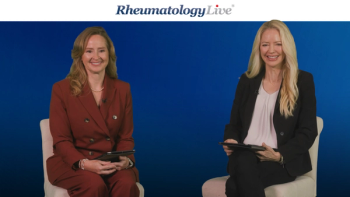

Moderator Catherine Bakewell, MD, and rheumatologist Elizabeth Perkins, MD, are joined by patient Kameillia Welch to trace a decade of psoriatic arthritis care complicated by obesity, covering diagnosis, biologic therapy, weight-based dosing, and emerging incretin combination data alongside Kameillia's own treatment journey.

Panelists discuss how a patient-centered approach, shared decision-making, and clear communication between physicians, patients, and caregivers are essential in improving care, treatment adherence, and long-term management for individuals with paroxysmal nocturnal hemoglobinuria (PNH).

This program was made possible with support from Novartis Pharmaceuticals.

In an upcoming Cure Connections program entitled “Barriers to Addressing Sleep Health in Clinical Practice” Dr Paul Doghramji will talk to a patient with insomnia and discuss challenges patients and physicians face when talking about sleep issues and in adequately treating insomnia.

In this program, expert dermatologists engage in discussions with a vitiligo patient to explore the impact of the condition on their daily lives, the challenges they face with treatment, and how they manage expectations related to living with vitiligo.

Raj J. Chovatiya, MD, PhD; Elizabeth A. Swanson, MD; Korey Capozza, MPH; Taylor Capps; and Tina Capps, share a patient perspective of managing atopic dermatitis and discuss the importance of patient advocacy and multidisciplinary management throughout the treatment journey.

A panel of experts and patients with sickle cell disease discuss the burden of sickle cell disease as well as the importance of education and awareness surrounding this disorder.