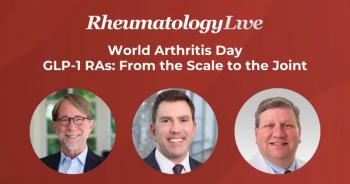
On World Arthritis Day, TOGETHER-PsA data and 3 rheumatology/derm experts frame GLP-1 agonists as a promising — but not yet proven — adjunct therapy.
How should rheumatologists respond to demands for medical marijuana, either from legislatures or directly from patients? Here from a knowledgeable source are 8 reasons (and more) why the medical and scientific evidence weighs heavily against it, especially in rheumatology.
1. Marijuana is the dried leaves and flowers of the plant Cannabis sativa that contains over 450 different compounds. Two of these, THC and cannabidiol, are of greatest interest at present.
Medicinal and psychoactive properties have been attributed to flowering plants of the genus Cannabis for thousands of years, but herbal cannabis remains mostly outside mainstream medicine. Its clinical status is prejudiced by the fact that 4% of the global population uses (or misuses) marijuana as a “recreational” drug.
At least 70 of the 450 compounds in the plant Cannabis sativa are classified as phytocannabinoids, but the therapeutic effects of these molecules are not yet fully understood.1 Two are of particular significance to medicine:
• Tetrahydrocannabinol (THC), produced by the action of heat on the acid precursor of delta-9-tetrahydrocannabinol (D9-THC), is known for its psychoactive and pain-relieving properties.
• Cannabidiol has potential therapeutic application due to its effect on immunological function and its potential to counteract the negative psychoactive effects of THC.
2. Receptors that engage cannabinoid molecules are ubiquitous throughout the human body.
These receptors are located in the central and peripheral nervous system, as well as on immune, bone, and synovial cells. They interact with cannabinoid molecules that can be found in three setings:
1) Synthetic tricyclic terpenes;2
2) Phytocannabinoids, including THC and cannabidiol;
3) Endocannabinoids, endogenenous ligands derived from the breakdown of phospholipids in a pathway distinct from the inflammatory prostaglandin pathway.3
Cannabinoid actions are mainly mediated via the two best-explored endocannabinoid receptors. This is not a simple on/off process, but rather a complex phenomenon involving endogenous and exogenous ligands, cross-reactions with non-cannabinoid receptors, and plasticity of response dependent upon local tissue characteristics or the presence of other molecules such as opioids.4
3. In the setting of arthritis, the endocannabinoid system is activated locally in response to tissue changes and functions as an endogenous pain modulator.
Examined mainly in laboratory studies, the endocannabinoid system has an impact on pain mechanisms, immune function, inflammation, and bone health. Many effects are still poorly understood, and are the subject of active study.
Cannabinoids exert their physiological effect through binding to two G protein-coupled receptors (CB1 and CB2) as well as a recently described putative third receptor, GPR55.5 Animal study has shown that joints affected by both degenerative and inflammatory arthritis actively express these cannabinoid receptors and produce endocannabinoids.
• In a rat model of osteoarthritis, exposing the CB1 receptor to the agonist arachidonyl-2-chloroethylamide (ACEA) resulted in increased synovial blood flow and reduced hypersensitivity of joint nociceptors (pain sensing neurons).6
• Interestingly, a paradoxical response was observed for the response of the CB2 receptor. An agonist to the CB2 receptor inhibited nociceptor activity in control (normal) joints, but caused sensitization of osteoarthritis joint afferents.7 These paradoxical findings emphasize the complexity of the cannabinoid system.
• Human synovial fluid from osteoarthritis and rheumatoid arthritis joints, but not from normal controls, contained the endocannabinoids anandamide and 2-arachidonyl glycerol, confirming that endocannabinoids are synthesized following tissue injury.8
The immunosuppressive and anti-inflammatory actions of the cannabinoid system are less clearly understood, but believed to be mediated via the CB2 receptor, with effects on apoptosis, inflammatory cell proliferation and trafficking, cytokine production and regulation of T cells.9 The postulated effects of CBD are both anti-inflammatory and anti-oxidative.10
4. Many rheumatology patients may seek cannabinoids to relieve pain, but solid evidence for effectiveness is lacking.
“Severe pain” is cited as the most common reason persons in North America provide when using herbal cannabis medically. Commonly, they identify musculoskeletal conditions as the specific medical condition causing the pain.11,12 As rheumatic diseases are not curable, many patients may self-medicate with herbal cannabis under the impression that it is a safe complementary treatment, encouraged by the current societal perception of effect.
However, to date, not a single published randomized controlled trial has examined the dosing, efficacy, or side effect profile of herbal cannabis in patients with rheumatic diseases.13 The only sources for information about the effects of herbal cannabis or similar compounds in rheumatic diseases are:
• anecdotal reports,
• two small epidemiological studies,14, 15
• a single study in patients with rheumatoid arthritis of the oro-mucosal spray of nabiximols, a combination of D9-THC and cannabidiol,16 and
• two studies of nabilone, a synthetic analogue of THC, in fibromyalgia.17,18
5. The groundswell of advocacy driving the use of medicinal herbal cannabis is contrary to medical opinion.
Herbal cannabis has been catapulted into disease management by a groundswell of public advocacy, propelling regulatory bodies worldwide to consider legalizing herbal cannabis for medicinal use. This was done irrespectively of the limited scientific basis to support statements about either effect or risk. Thus, physicians may be required to provide care for patients who self-medicate with herbal cannabis or request guidance regarding potential use of this agent.
Recent surveys report that physicians lack confidence in their knowledge of cannabinoids in general, and in their perceived competence to advise patients effectively about use.12
• In a survey of family physicians in Colorado, only 19% thought that physicians should recommend medical marijuana, and 92% reported a need for more education.12
• Two thirds of Canadian rheumatologists expressed poor confidence in their knowledge of cannabinoid medical use. Fully 70% stated that there is currently no role for herbal cannabis in the treatment of rheumatic complaints.19
It is also increasingly recognized that sanctioning use of herbal cannabis for therapeutic reasons is currently provided by a small number of physicians for the majority of patients.12 In Colorado, 15 physicians accounted for almost half of recommendations for medical marijuana. Motives for this medical behavior should be questioned, and raise ethical concerns.
6. Smoking cannabis cannot be recommended.
While herbal cannabis may be either ingested or inhaled, inhalation is the preferred method of administration by most users as inhaled cannabis acts rapidly within a few minutes. However, smoking cannabis is not recommended because:
• It delivers noxious compounds such as polycyclic aromatic hydrocarbons, tar, and carbon monoxide. The risk for lung cancer has been debated, but with increasing evidence for true risk when studies have been controlled for cigarette smoking.20-22 In a longitudinal study of Swedish military conscripts followed for 40 years from the ages of 18 to 20, the risk for lung cancer was doubled if they had used cannabis on at least 50 occasions (hazard ratio 2.12, 95% CI 1.08 – 4.14).22
• It is impossible to estimate the dose delivered. Plasma concentrations of THC are extremely variable after smoking a “joint.” Blood levels after smoking 0.5-1.0 grams of dried substance vary between 7-100ng/mL, and are affected by the frequency, depth, volume and holding time of inhalation as well as the concentration of THC in the herbal product.23, 24 The THC concentration in illicit marijuana has doubled over the past decade, with measured concentrations varying between 1 to 30%,25 and thus the bioavailable concentrations of THC can vary from 2 to 56%.26 There is also discordance between the measured THC plasma peak and the maximum subjective psychoactive effects which occur an hour later, and can be augmented by opioids.
Oral administration could be preferred, offering a more delayed effect, lower peak plasma levels, more protracted pharmacologic effects, and fewer psychoactive effects that may lead to abuse.27 However, gastrointestinal absorption is erratic and much of the ingested cannabinoid is eliminated by first-pass metabolism in the liver.27
7. Contrary to common belief, herbal cannabis is not an innocuous substance, either for short- or long-term use, and its effects undermine the primary goals for treatment of rheumatic pain, namely reduction of symptoms and maintenance of function.
• Even in regular recreational users, acute administration impairs reaction time, selective attention, short-term memory, and motor control for up to 5 hours, with increasing effects for increasing doses.28 Acute cannabis use was associated with at least a doubling of risks for serious and fatal motor vehicle collisions according to a recent systematic review and meta-analysis of 9 studies involving 49,000 participants.29 Health Canada has warned that the ability to drive or perform activities requiring alertness or coordination may be impaired for up to 24 hours after consuming herbal cannabis.30 This risk may be compounded by the presence of other medications, especially analgesics.
• Hypotension and tachycardia shown to follow acute administration of herbal cannabis could compromise cardiovascular health in rheumatology patients with underlying heart disease, and be an added risk for cardiovascular events.31 Acute cannabis use increases the risk for myocardial infarction five-fold and reduces the exercise capacity of those with angina pectoris by half.
• Cannabis has adverse acute and chronic effects on mental health. The immediate psychiatric effects include acute anxiety and agitation, suicidal ideation, and acute psychosis.32, 33 The long-term effect on mood and especially depression are less clear, but evidence is increasing that depression is more prevalent in current cannabis users.34 Herbal cannabis is well recognized to aggravate or unmask serious psychiatric disease such as psychosis and schizophrenia.35 The addictive potential is another risk: Over a 3 year period the cumulative incidence of cannabis dependence was 37.2% (95% CI 30.7-43.8%) for young recreational users.36 Once a person is addicted to a substance, potential for use of other addictive substances remains a concern, with the initial substance acting as a gateway drug. Finally, recreational use of cannabis could result in working memory deficits that is associated with various subcortical neuroanatomical changes.37
8. How can physicians advise or care for patients with rheumatic disease who are using or proposing to use herbal cannabis for pain relief?
• Consider their motives with careful scrutiny. Many persons using marijuana for medical reasons are former recreational users. Is the patient misusing a medical diagnosis to justify use primarily for non-medical reasons?12, 14, 15
• Remain empathic and caring, but inform patients about the lack of sound evidence for either positive or negative effects of herbal cannabis in rheumatic conditions, adding that the long-term risks are troubling and have not been fully explored.
• Advise patients not to drive for at least 24 hours after using marijuana.
• Tell patients that while there are no grounds on which to recommend herbal cannabis use for rheumatic disease, numerous other pain-management options can be explored.
Physicians, rheumatologists in particular, must be proactive in voicing concerns about the current increasing use of herbal cannabis for treatment of rheumatic complaints, and advocate for further study of individual cannabinoid molecules using standard scientific methods to control dosing and assess efficacy and safety.
1. ElSohly MA and D.Slade.
2. Pertwee RG.
3. Cravatt BF and Lichtman AH.
4. Anand P, Whiteside G, Fowler CJ et al.
5. Howlett AC.
6. Baker CL and McDougall JJ
7. Schuelert N, Zhang C, Mogg AJ, et al.,
8. Richardson D, Pearson RC, Kurian N, et al.,
9. Klein
10. Zuardi AW.
11. Health Canada,
12. Kondrad E and A Reid.
13. Fitzcharles MA, McDougall J, Ste-Marie PA et al.
14. Ware MA, Adams H, and GW Guy.
15. Swift W, Gates P, and P Dillon.
16. Blake DR, Robson P, Ho M et al.,
17. Ware MA, Fitzcharles MA, Joseph L and Y Shir.
18. Skrabek RQ, Galimova L, Ethans K and D Perry.
19. Fitzcharles, M., et al., Rheumatologists lack confidence in knowledge of cannabinoids in the management of rheumatic conditions: a needs assessment of Canadian rheumatologists. Arthritis & Rheumatism (2013) 65:S49.
20. Taylor DR and W Hall.
21. Aldington S, Harwood M, Cox B et al.,
22. Callaghan RC, Allebeck P, and A Sidorchuk.
23. Cooper ZP and M Haney.
24. Ware MA, Wang T, Shapiro S, et al.
25. Cascini F, Aiello C, and G Di Tanna.
26. Huestis MA.
27. Huestis MA.
28. Mensinga TT, deVries I, Kruidenier M, et al.
29. Asbridge M, Hayden JA, and JL Cartwright.
30. Canada, D.o.J. Acts, Regulations, Health.
31. Aryana A and MA Williams.
32. Thornicroft G.
33. Moreira FA, Grieb M, and B Lutz.
34. Harder VS, Morral AR and J Arkes.
35. Johns A.
36. van der Pol P, Liebregts N, de Graaf R et al.,
37. Smith MJ, Cobia DJ, Wang L et al.,